


How Landscape Design Helps Reduce Home Temperature | BOTANICA LANDSCAPE Phuket
How Landscape Design Helps Reduce Home Temperature
Learn how strategic landscape design can reduce heat, improve airflow, and create cooler living environments in tropical homes.
How Landscape Design Helps Reduce Home Temperature
Introduction
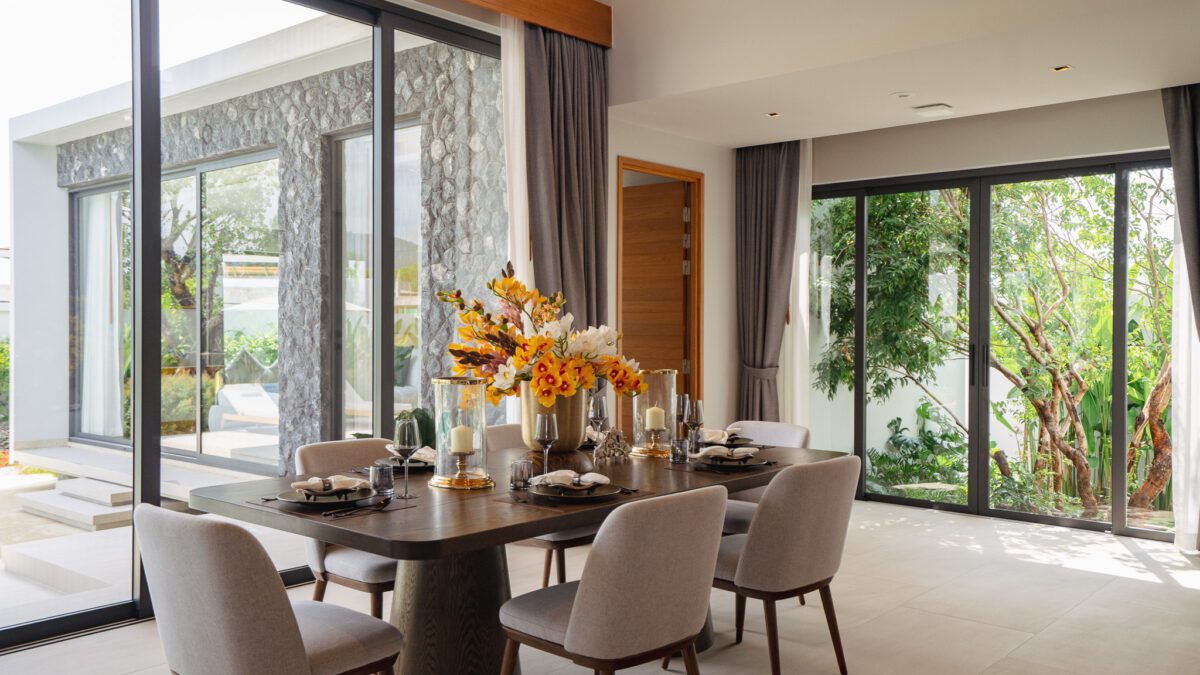
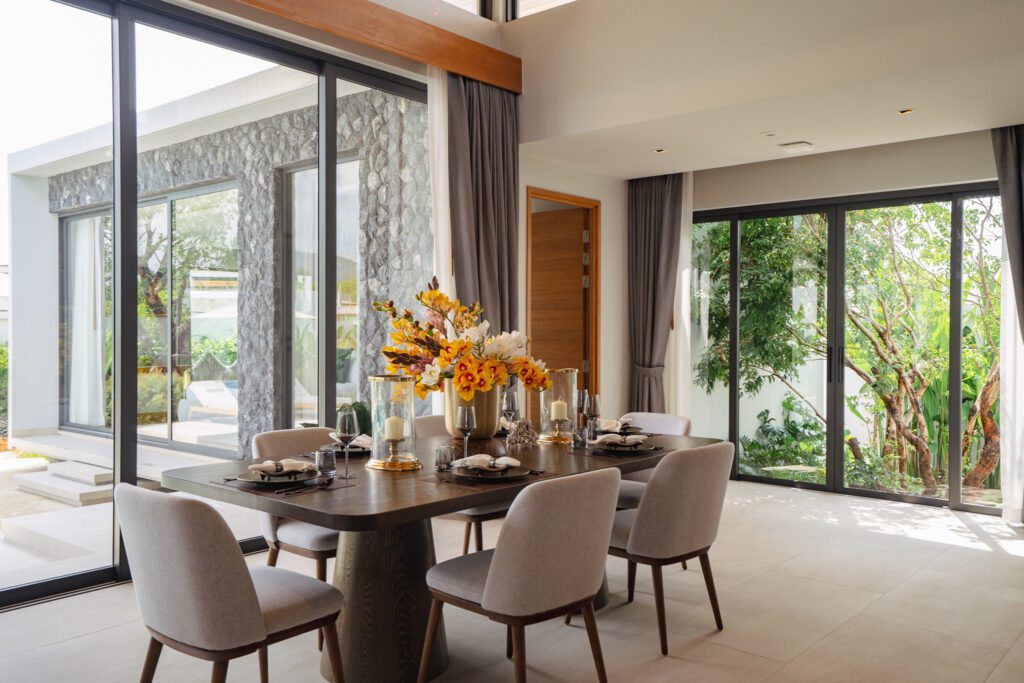
In tropical climates such as Phuket, heat management is a crucial aspect of residential design. While architectural strategies such as shading devices and ventilation are often discussed, landscape architecture also plays a major role in controlling the thermal environment of a home.
A well-designed garden can significantly reduce surrounding air temperatures, improve airflow, and create a comfortable microclimate around the property.
At BOTANICA LANDSCAPE, landscape design is not only about aesthetics — it is also about environmental performance and creating comfortable living environments.
The Role of Trees in Providing Shade
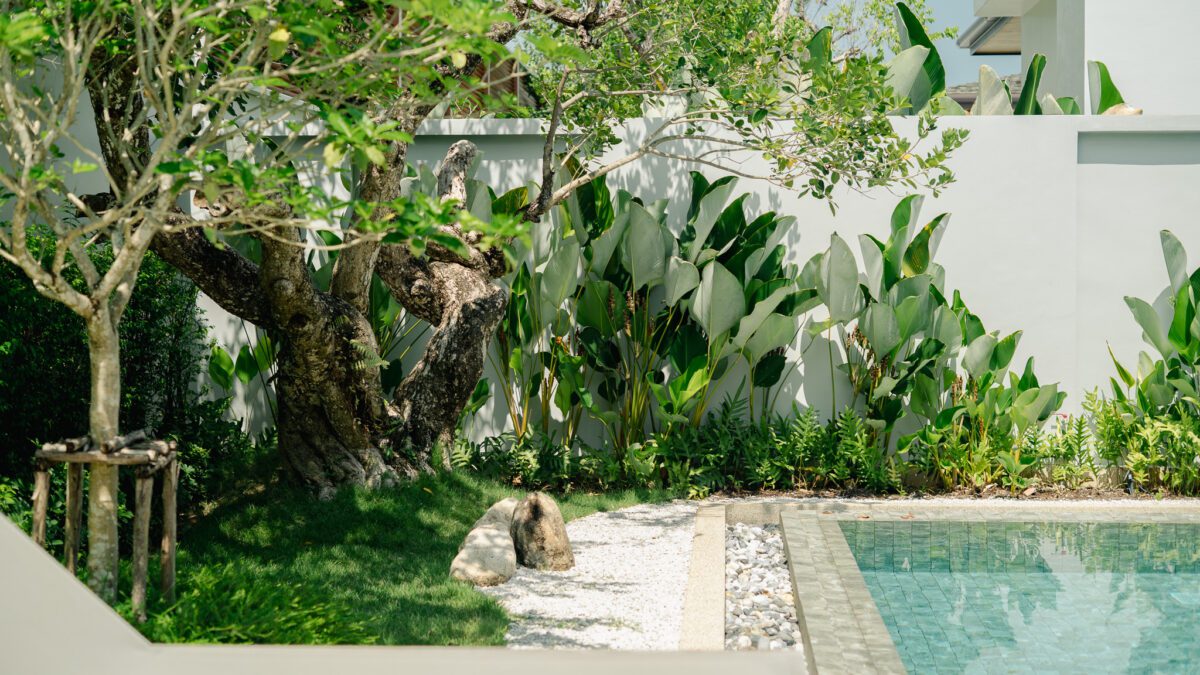
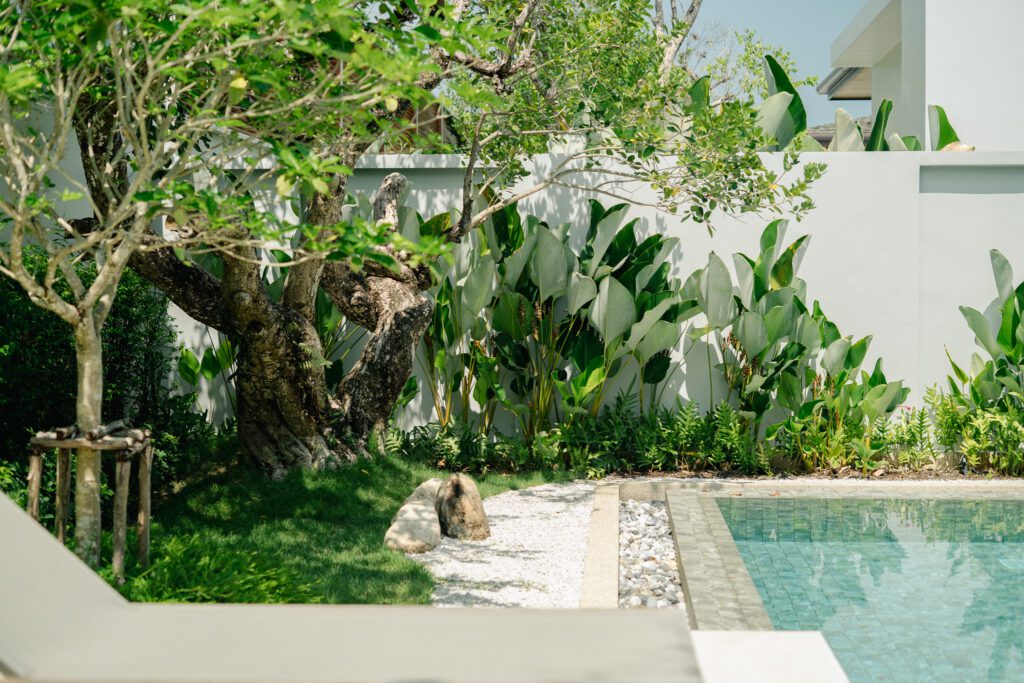
One of the most effective ways landscapes reduce heat is through shading.
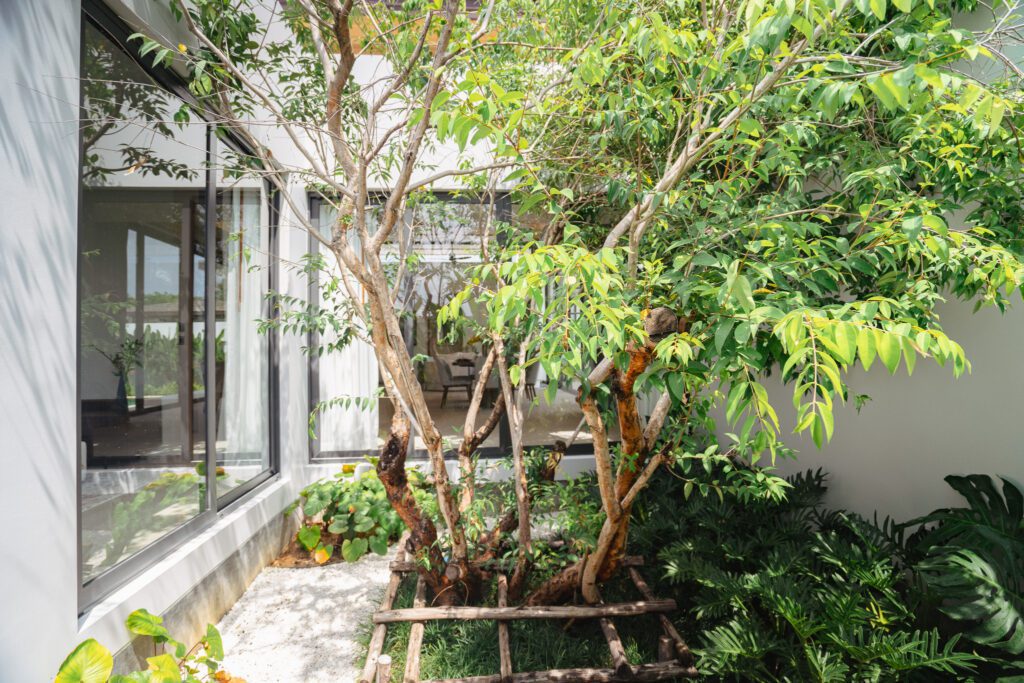
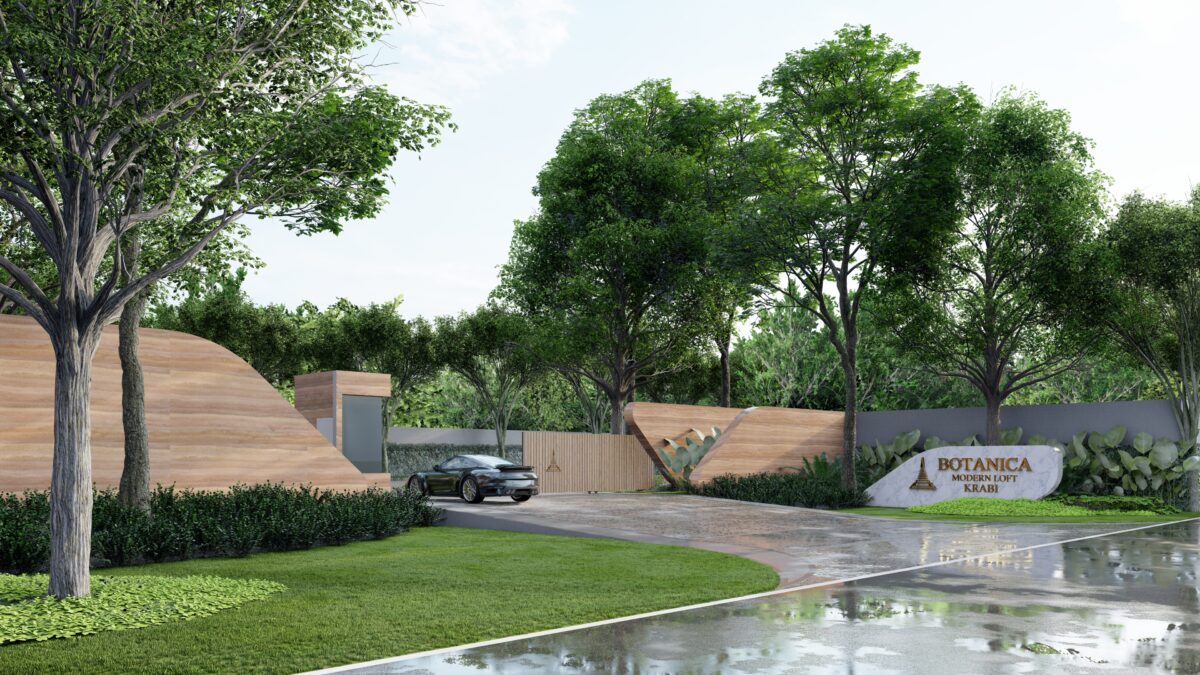
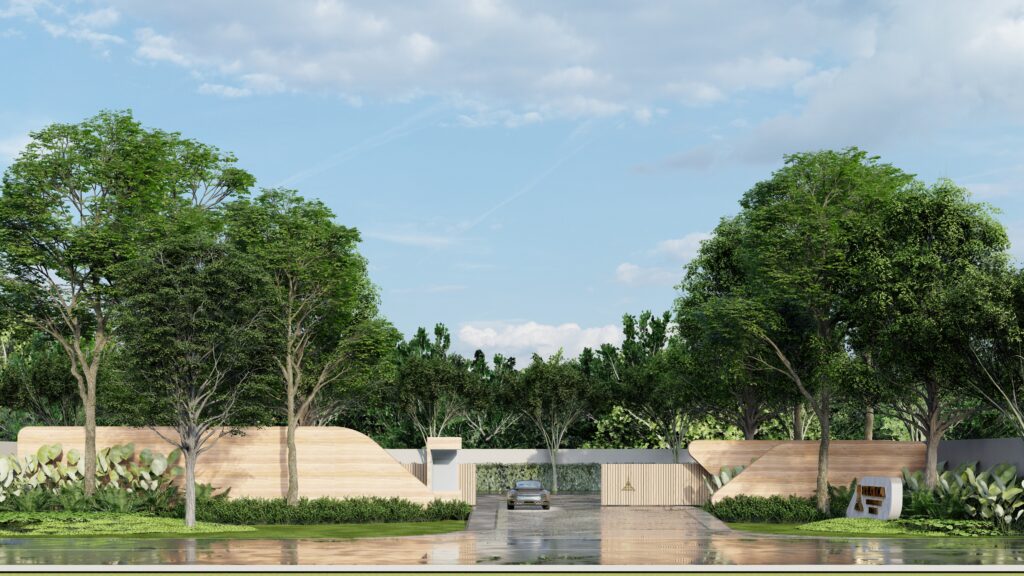
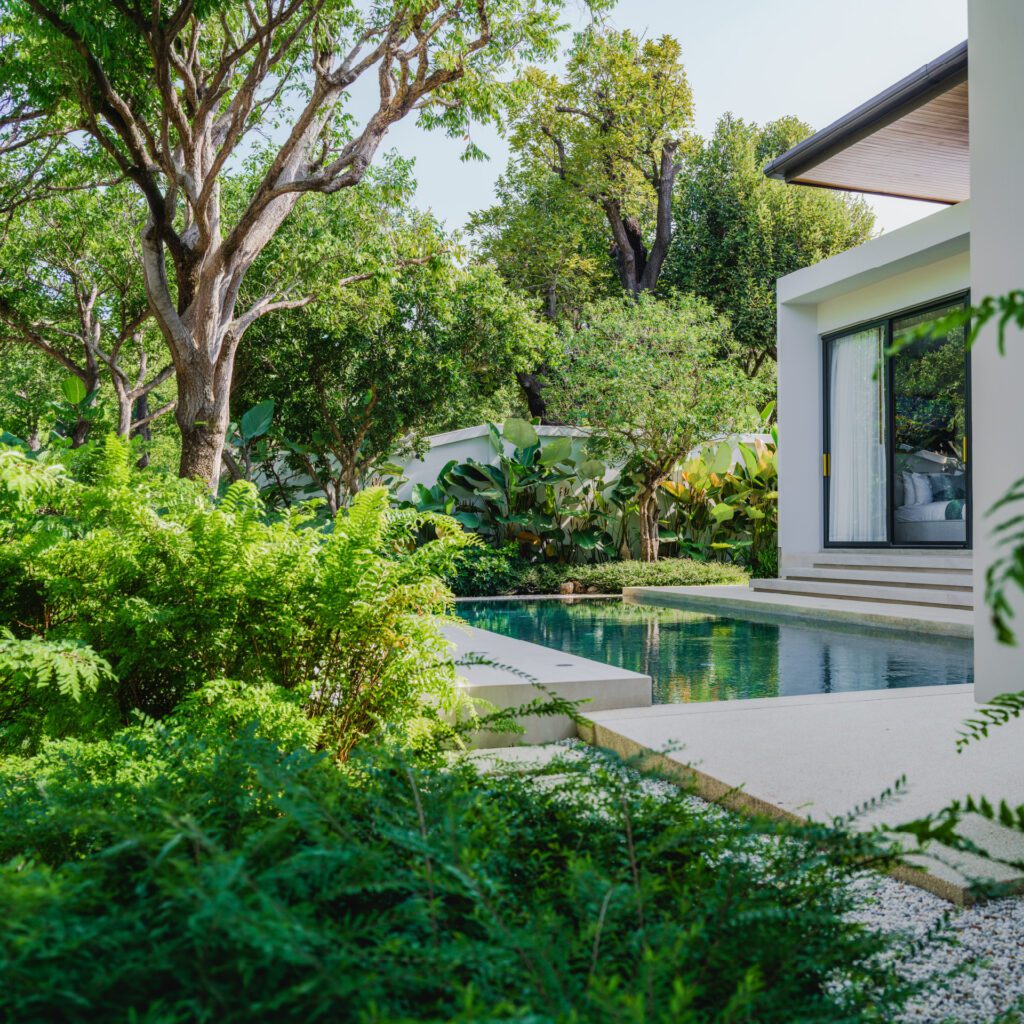
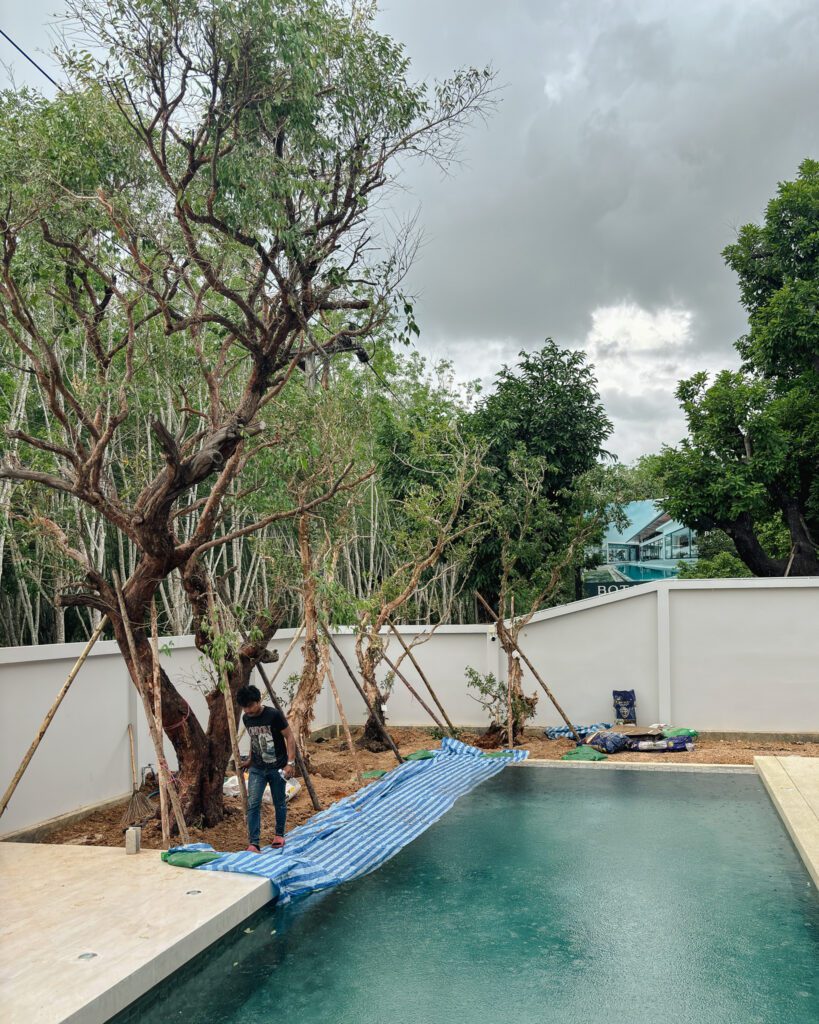
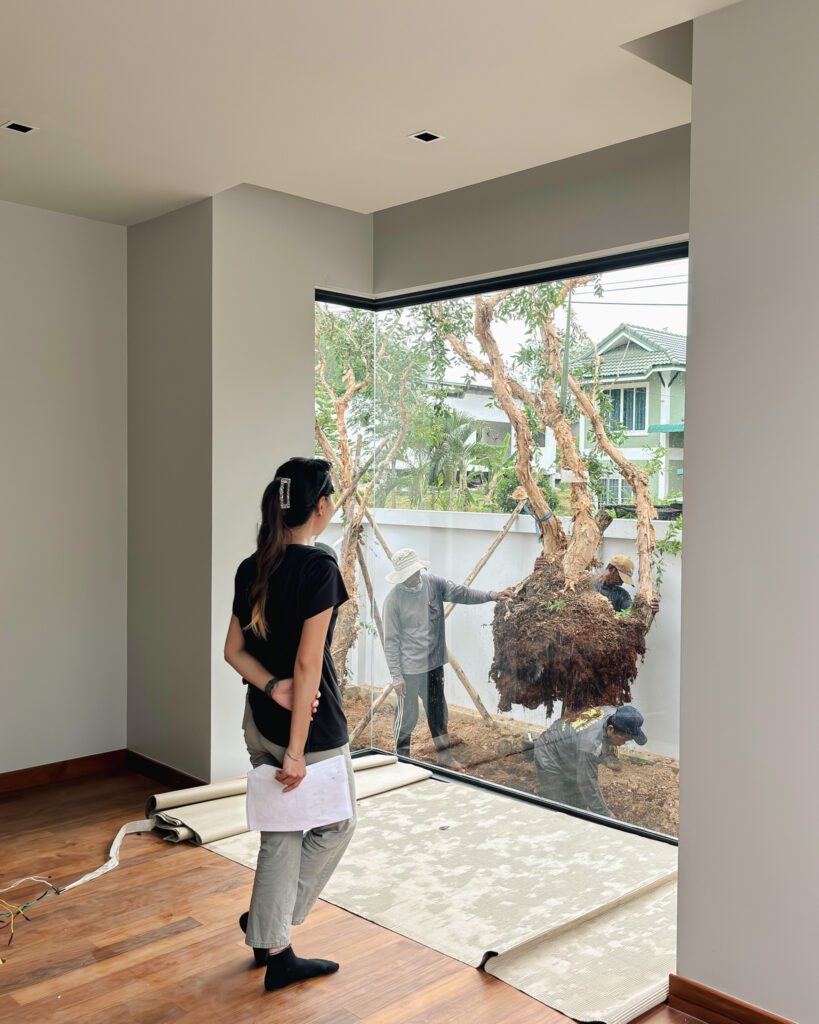
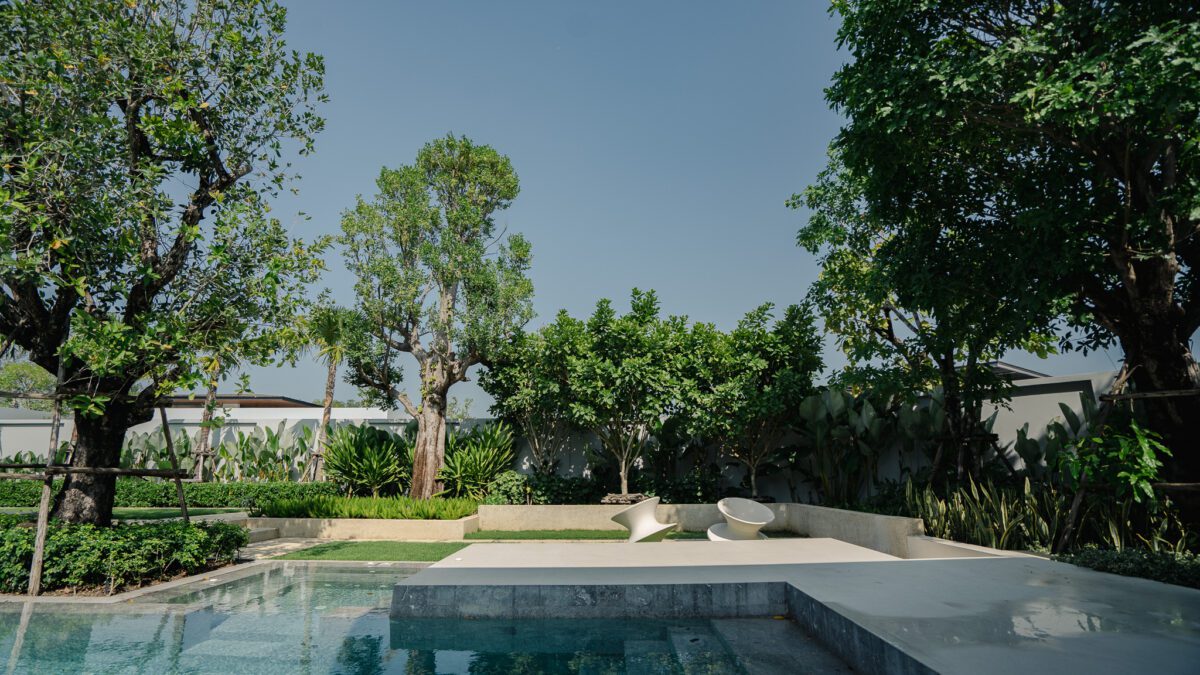
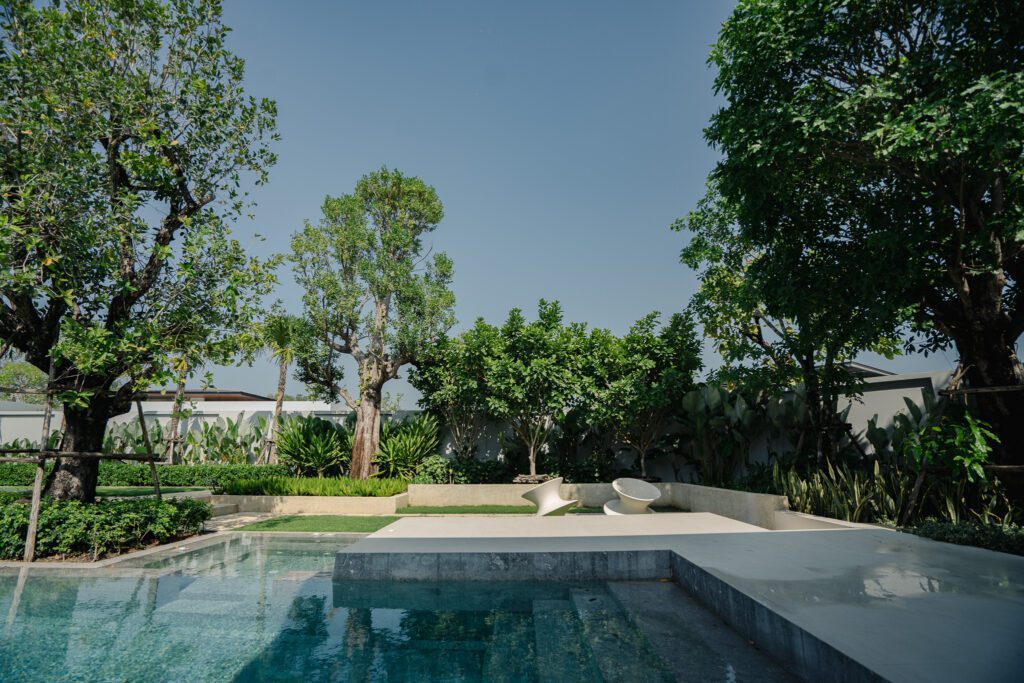
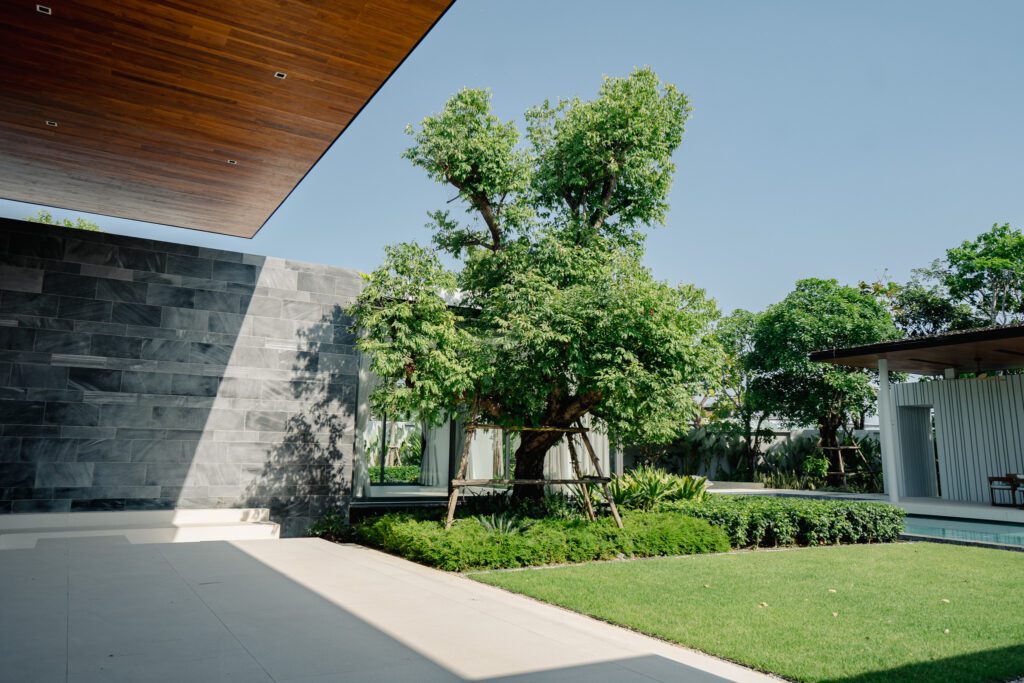
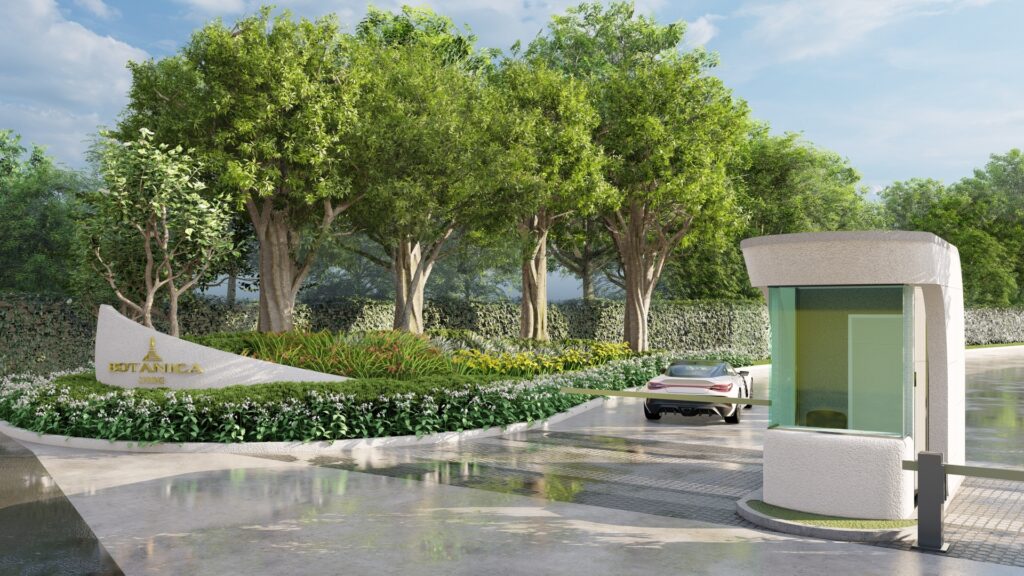
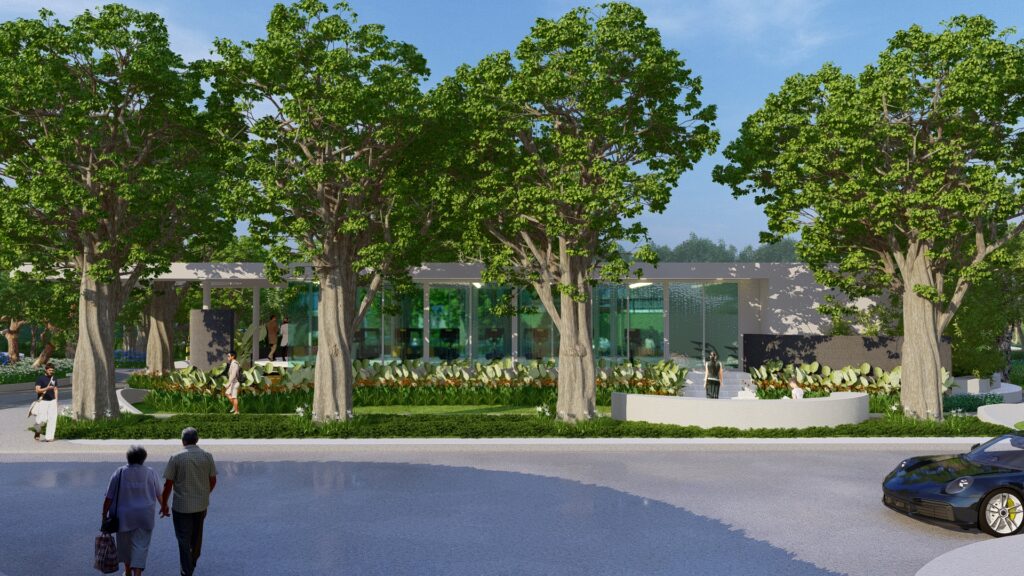
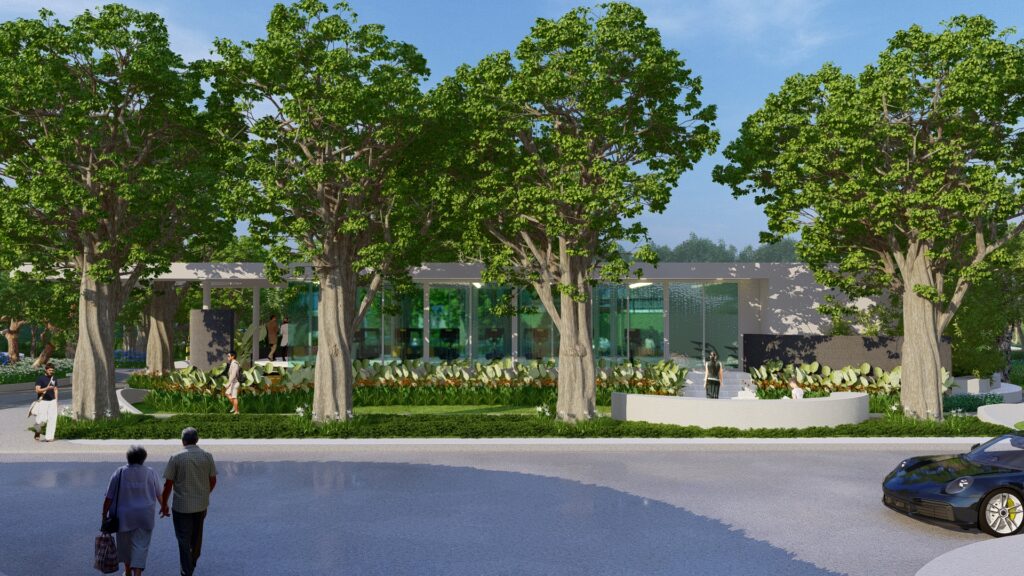
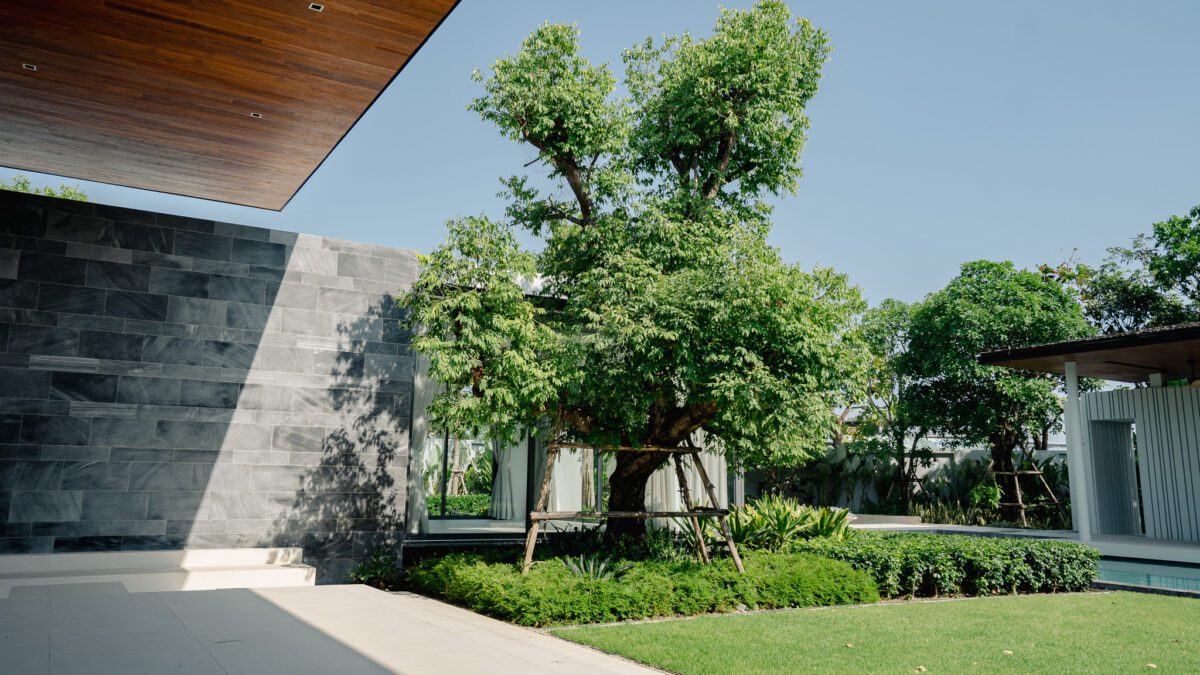
Large canopy trees planted strategically around a house can block direct sunlight from hitting walls, roofs, and outdoor surfaces. This reduces heat absorption and prevents excessive warming of building materials.
Shaded areas can be several degrees cooler than exposed surfaces, making outdoor spaces more comfortable and indirectly reducing heat transfer into the home.
In tropical landscape design, tree placement is carefully studied to ensure shade during the hottest times of the day.
Evapotranspiration: Nature’s Cooling System
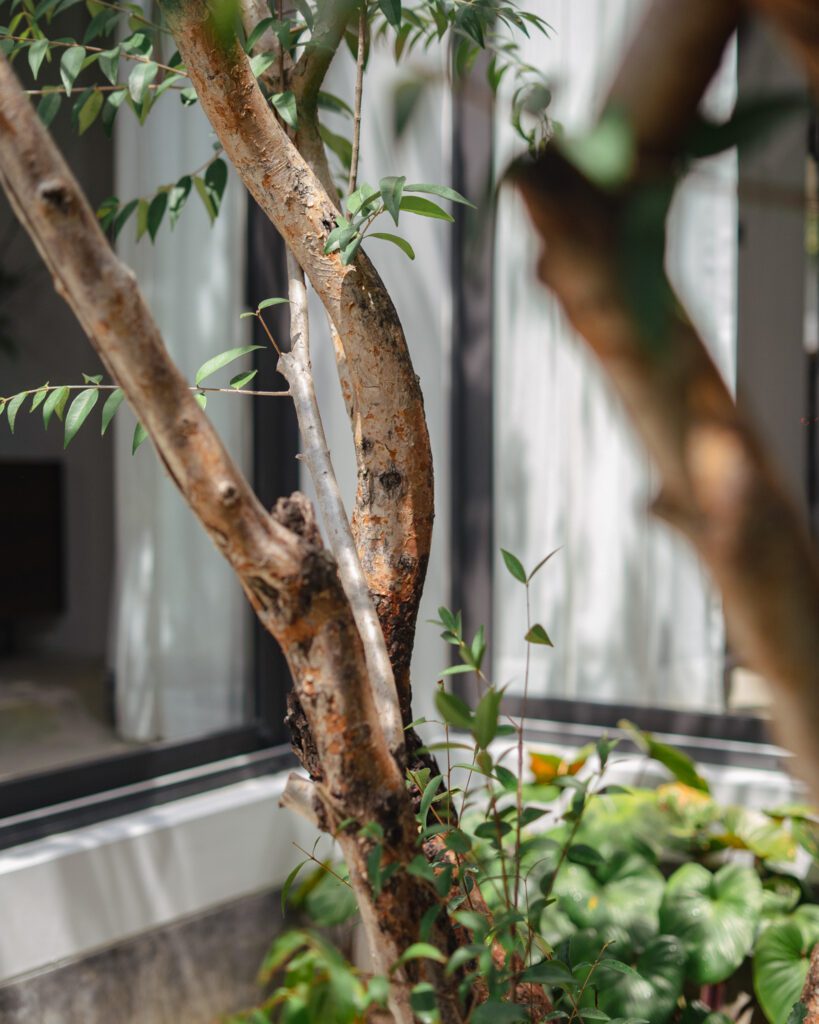
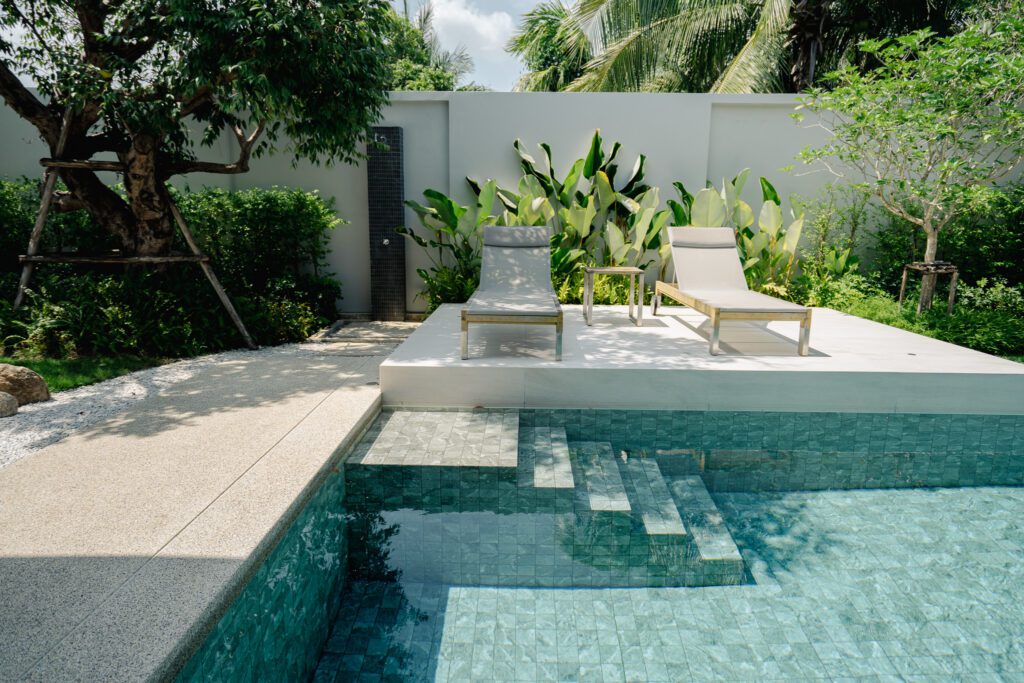
Plants naturally release moisture into the air through a process known as evapotranspiration.
As water evaporates from leaves and soil surfaces, it absorbs heat from the surrounding environment. This natural cooling process can reduce ambient air temperatures and improve overall thermal comfort.
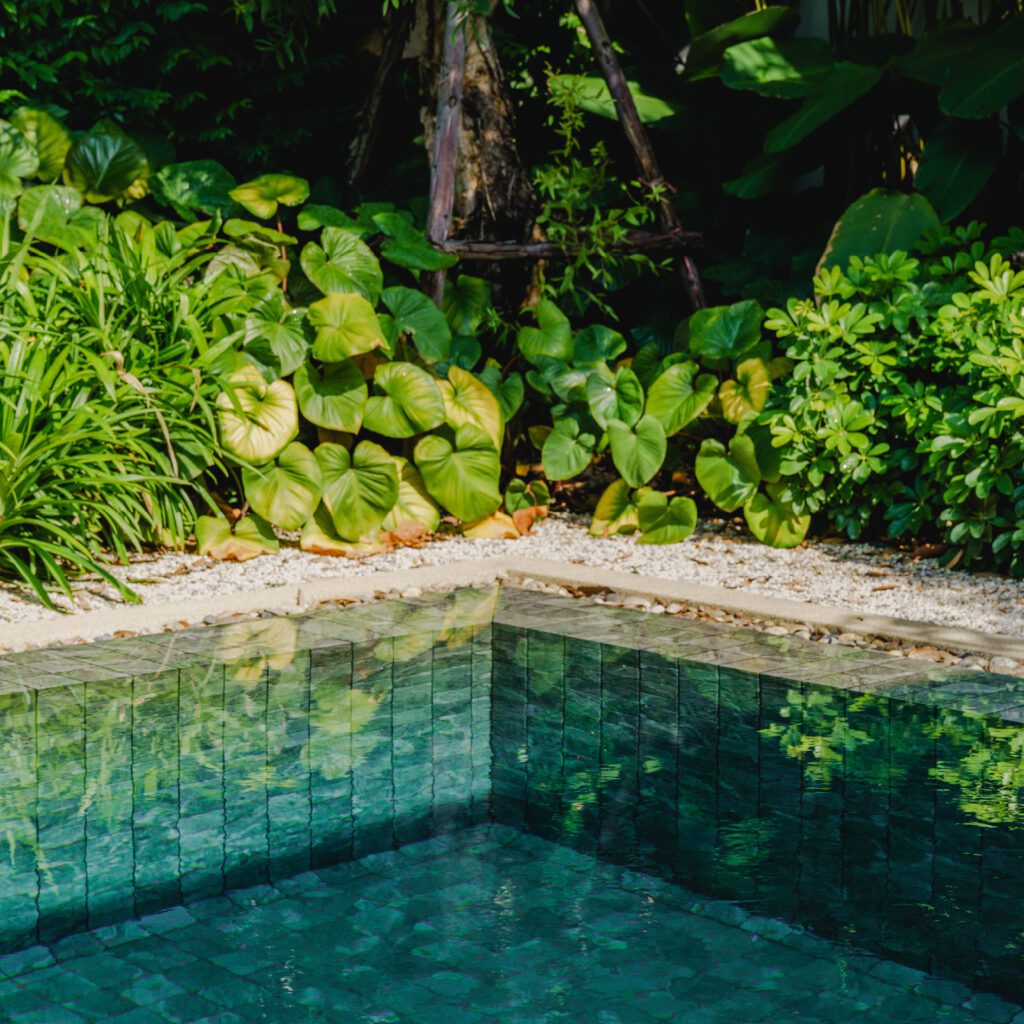
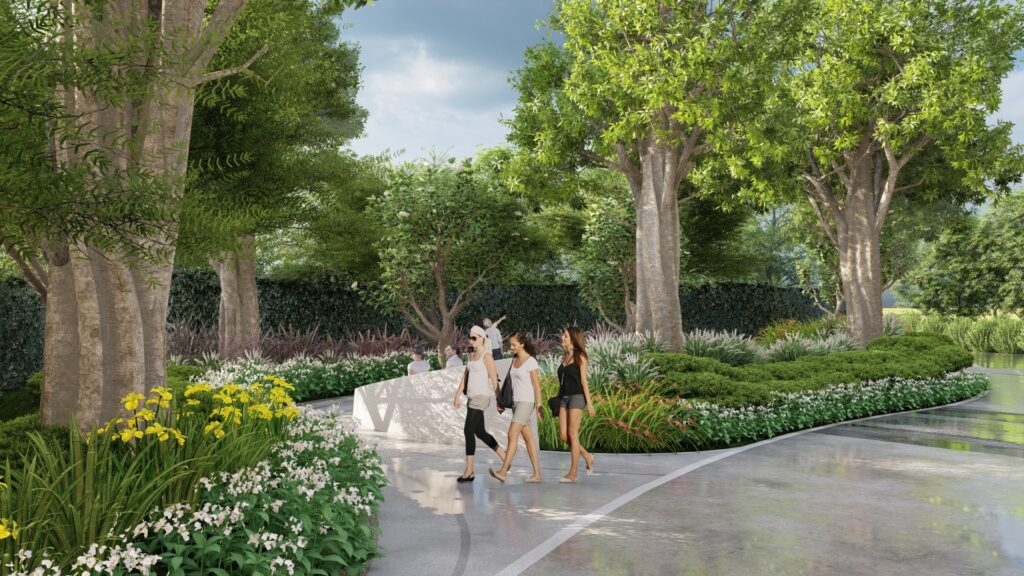
Dense planting areas, ground covers, and lawns all contribute to this effect, helping to cool the surrounding microclimate of a property.
Reducing Heat from Hard Surfaces
Urban environments often contain large areas of hard surfaces such as concrete, stone, and asphalt. These materials absorb and store heat during the day and release it slowly over time, increasing overall temperatures.
Landscape design helps reduce this effect by introducing vegetation and permeable surfaces.
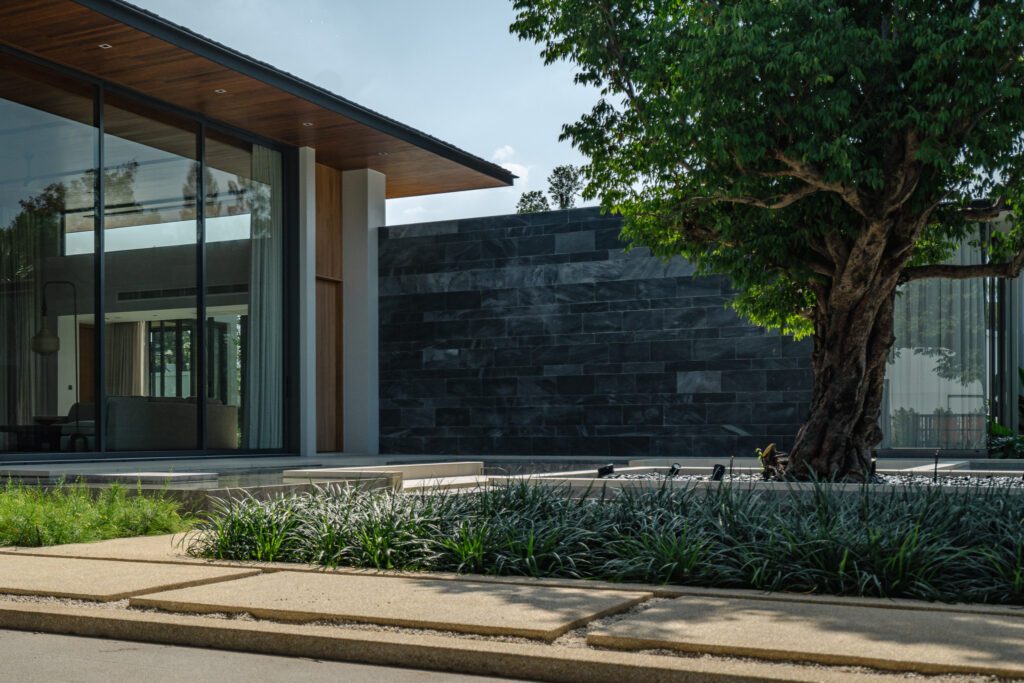
Trees, shrubs, and ground covers reduce exposed hard surfaces and create shaded areas that prevent heat buildup.
This strategy significantly improves thermal comfort around residential environments.
Improving Natural Airflow
Landscape design can also influence how air moves around a home.
By carefully positioning trees and planting zones, landscape architects can guide wind flow and encourage natural ventilation.
In tropical environments where breezes play an important role in cooling spaces, maintaining open airflow corridors while providing shade becomes a key design strategy.
A well-balanced landscape allows air to circulate freely while still protecting the home from excessive sun exposure.
Water Elements and Cooling Effects
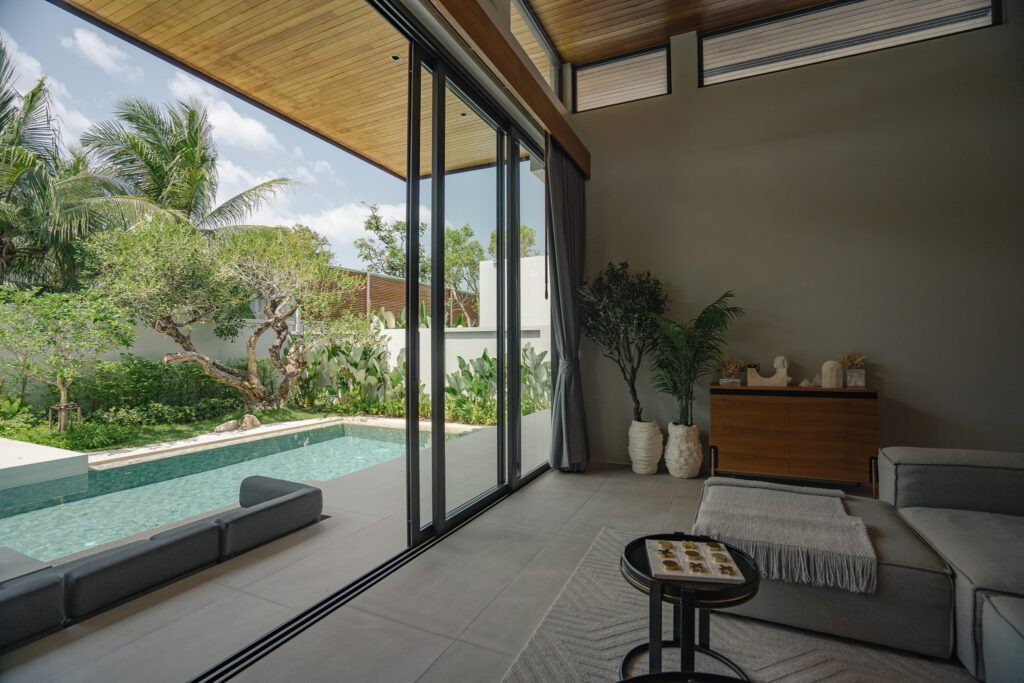
Water features such as ponds, pools, and reflecting basins can also contribute to cooling outdoor environments.
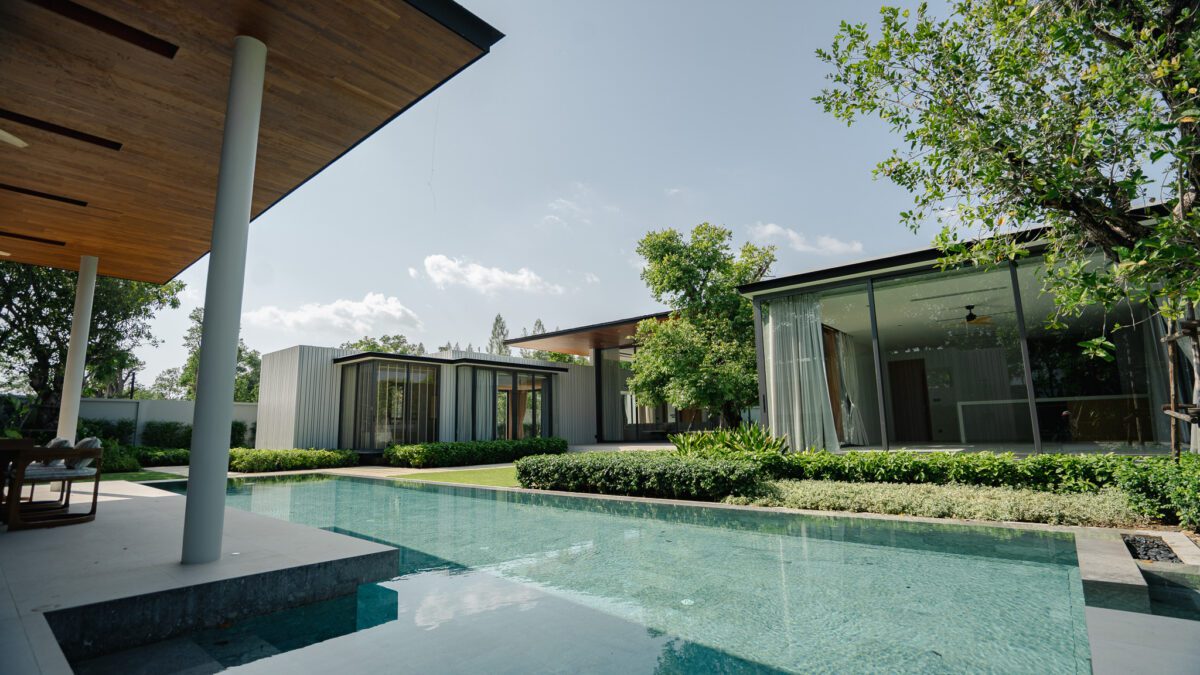
Water absorbs heat during the day and releases it slowly, helping stabilize temperature fluctuations. In combination with surrounding planting, water elements can create a refreshing and relaxing atmosphere within the landscape.
In luxury villa environments, water features also enhance visual quality while improving environmental comfort.
Landscape Design for Tropical Living
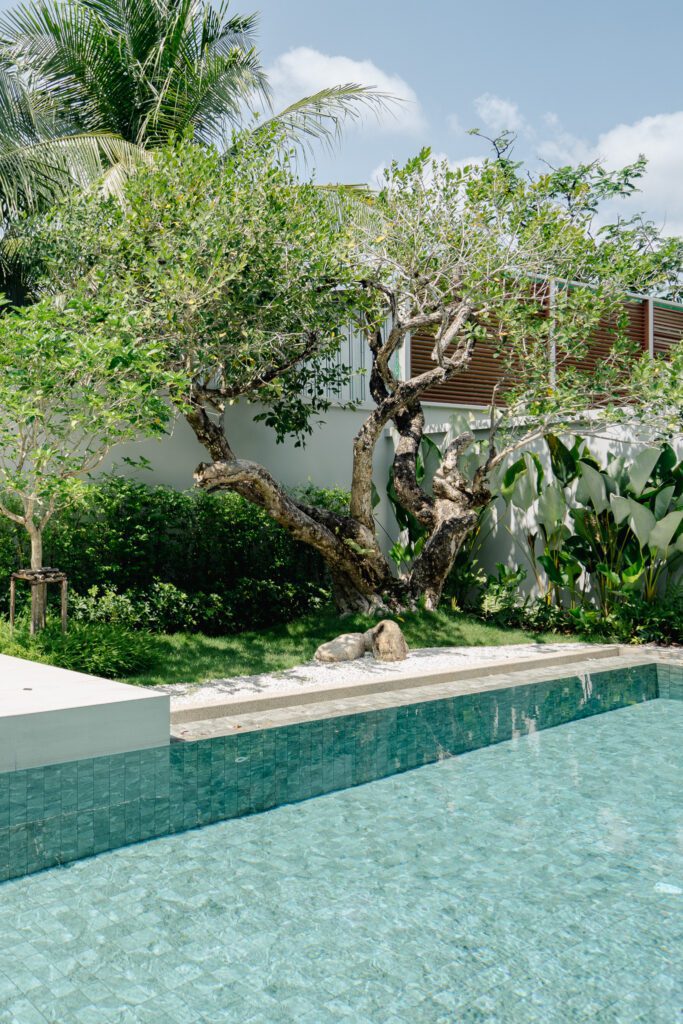
In regions like Phuket, where warm temperatures persist throughout the year, landscape design becomes an essential component of sustainable residential living.
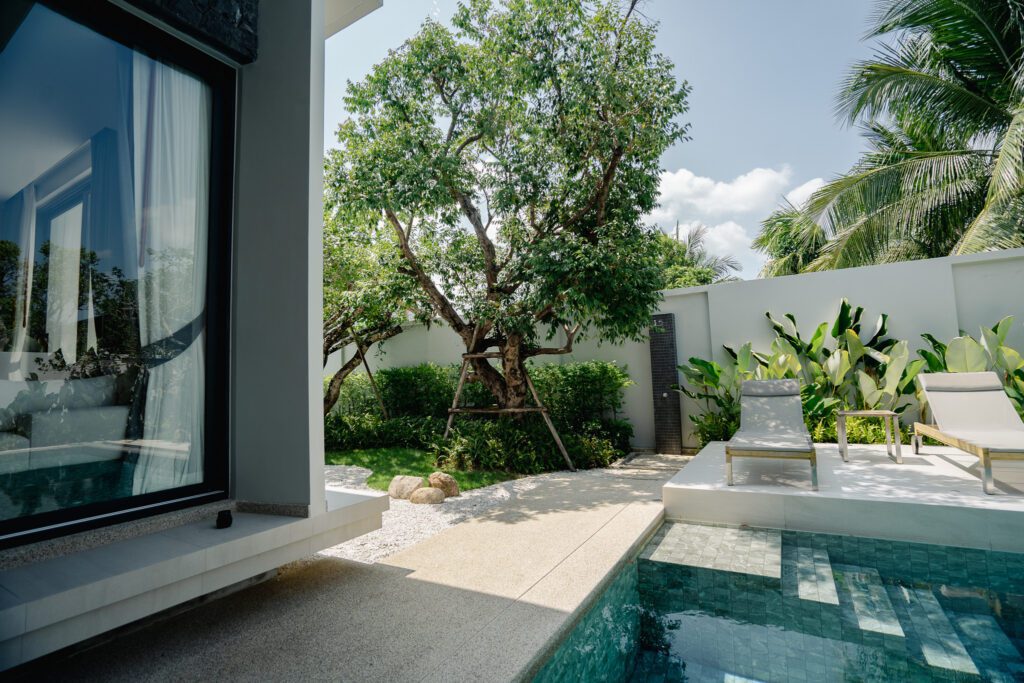
By combining shade trees, planting layers, permeable ground surfaces, and water elements, landscapes can create comfortable outdoor environments while reducing the heat impact on buildings.
These strategies not only improve comfort but may also help reduce reliance on air conditioning and lower energy consumption.
BOTANICA LANDSCAPE Design Philosophy
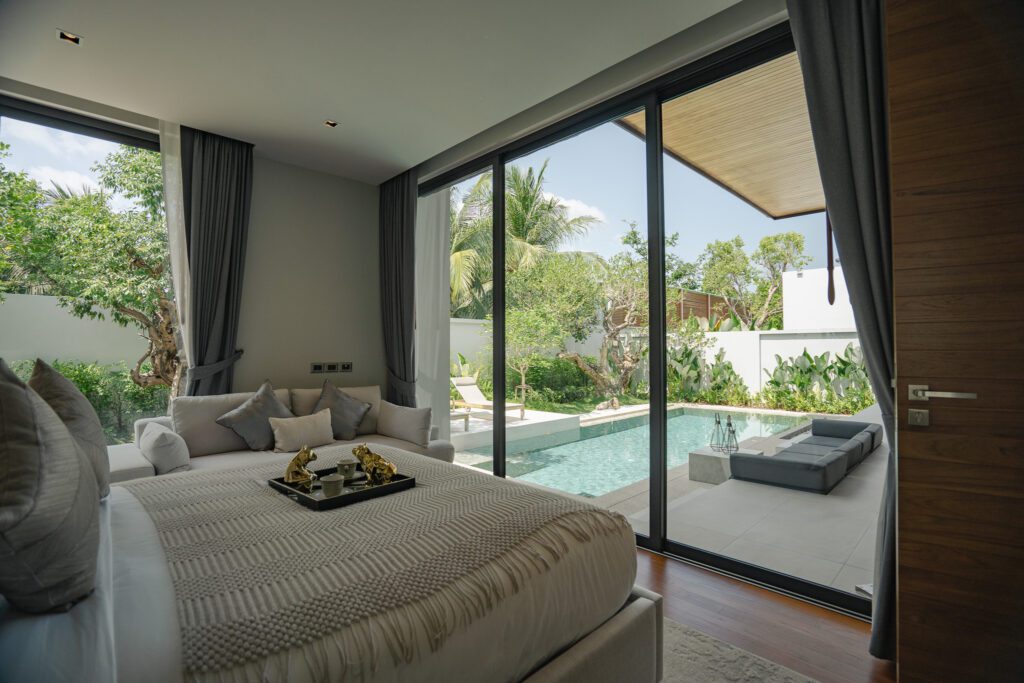
At BOTANICA LANDSCAPE, we approach landscape design as an integrated system that supports both aesthetics and environmental performance.
Our design principles focus on:
- Strategic planting for shade and cooling
- Tropical plant species adapted to local climate
- Outdoor spaces that enhance natural ventilation
- Landscapes that support sustainable living
Through thoughtful planning and design, we create landscapes that help homes stay cooler, more comfortable, and more connected to nature.
Because a well-designed garden does more than look beautiful — it improves how a home feels to live in.