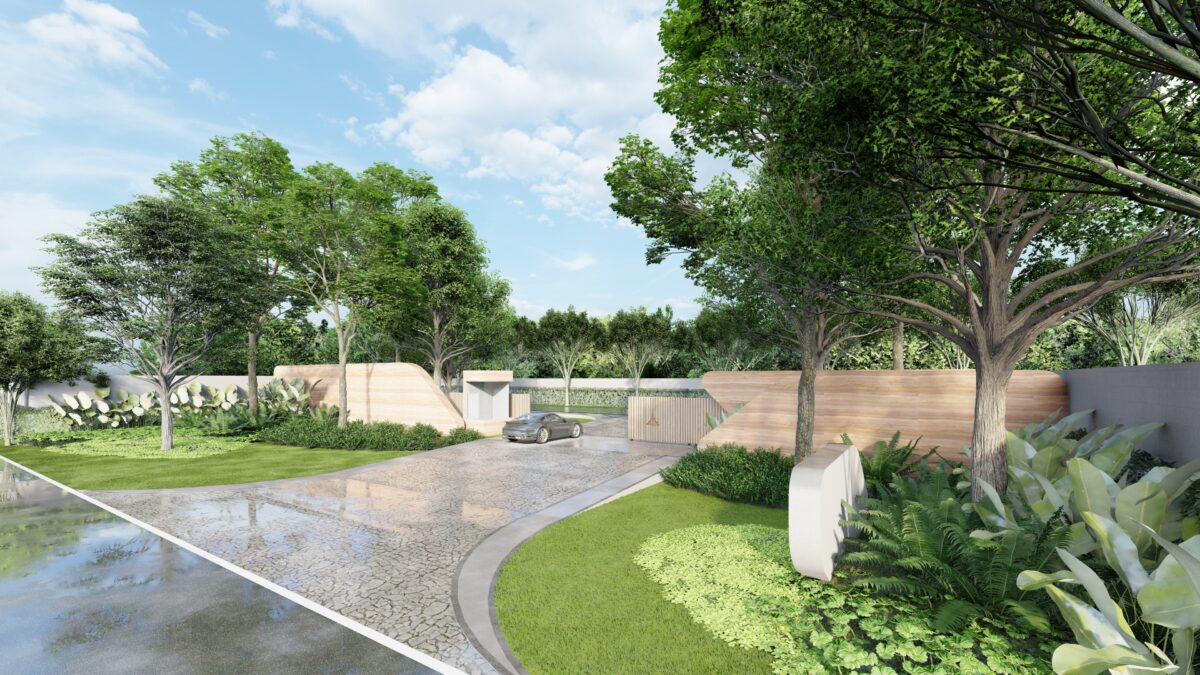
How Landscape Design Makes Luxury Projects Look More Premium
Learn how elegant landscape design enhances prestige and creates premium identity for luxury developments in Phuket.
Read MoreHow Landscape Design Makes Luxury Projects Look More Premium




Learn how elegant landscape design enhances prestige and creates premium identity for luxury developments in Phuket.
Read MoreHow Landscape Design Makes Luxury Projects Look More Premium
A strong concept may look compelling—
but without proper development,
it cannot be built effectively.
At BOLA – Botanica Landscape,
design development is where every detail is defined.
Levels must be precise.
Systems must function.
Materials must suit real conditions.
And every element must integrate seamlessly.
This is not just about refining drawings—
it’s about making design buildable.
Because great design
doesn’t live on paper—
it performs on site.
BOLA – From concept to construction, precisely.
Learn how strategic landscape design can reduce heat, improve airflow, and create cooler living environments in tropical homes.
In tropical climates such as Phuket, heat management is a crucial aspect of residential design. While architectural strategies such as shading devices and ventilation are often discussed, landscape architecture also plays a major role in controlling the thermal environment of a home.
A well-designed garden can significantly reduce surrounding air temperatures, improve airflow, and create a comfortable microclimate around the property.
At BOTANICA LANDSCAPE, landscape design is not only about aesthetics — it is also about environmental performance and creating comfortable living environments.
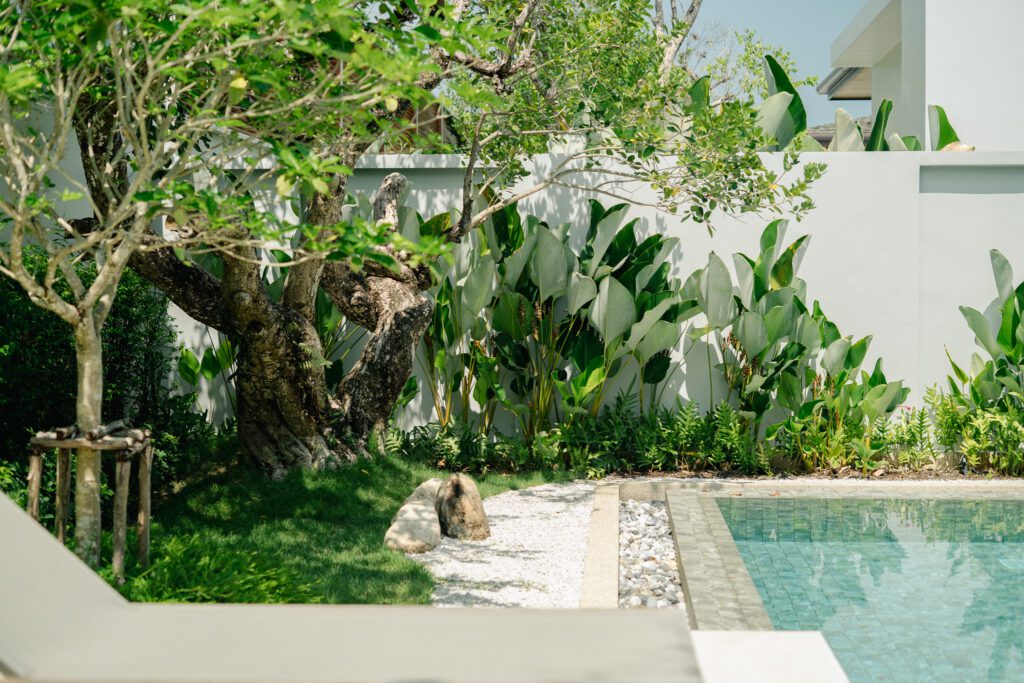
One of the most effective ways landscapes reduce heat is through shading.
Large canopy trees planted strategically around a house can block direct sunlight from hitting walls, roofs, and outdoor surfaces. This reduces heat absorption and prevents excessive warming of building materials.
Shaded areas can be several degrees cooler than exposed surfaces, making outdoor spaces more comfortable and indirectly reducing heat transfer into the home.
In tropical landscape design, tree placement is carefully studied to ensure shade during the hottest times of the day.
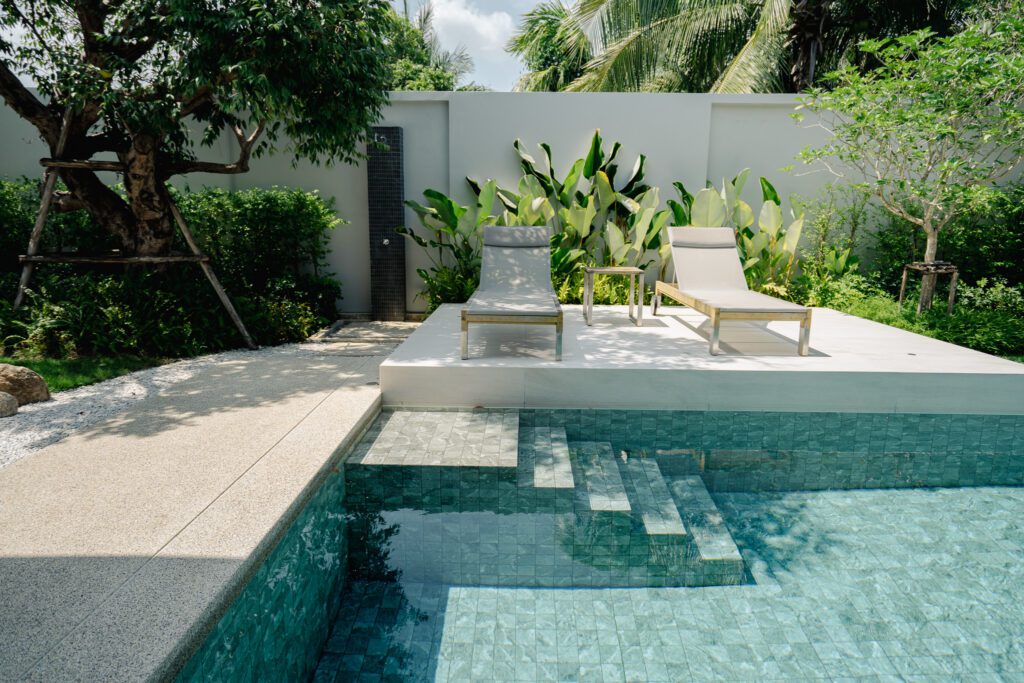
Plants naturally release moisture into the air through a process known as evapotranspiration.
As water evaporates from leaves and soil surfaces, it absorbs heat from the surrounding environment. This natural cooling process can reduce ambient air temperatures and improve overall thermal comfort.
Dense planting areas, ground covers, and lawns all contribute to this effect, helping to cool the surrounding microclimate of a property.
Urban environments often contain large areas of hard surfaces such as concrete, stone, and asphalt. These materials absorb and store heat during the day and release it slowly over time, increasing overall temperatures.
Landscape design helps reduce this effect by introducing vegetation and permeable surfaces.
Trees, shrubs, and ground covers reduce exposed hard surfaces and create shaded areas that prevent heat buildup.
This strategy significantly improves thermal comfort around residential environments.
Landscape design can also influence how air moves around a home.
By carefully positioning trees and planting zones, landscape architects can guide wind flow and encourage natural ventilation.
In tropical environments where breezes play an important role in cooling spaces, maintaining open airflow corridors while providing shade becomes a key design strategy.
A well-balanced landscape allows air to circulate freely while still protecting the home from excessive sun exposure.
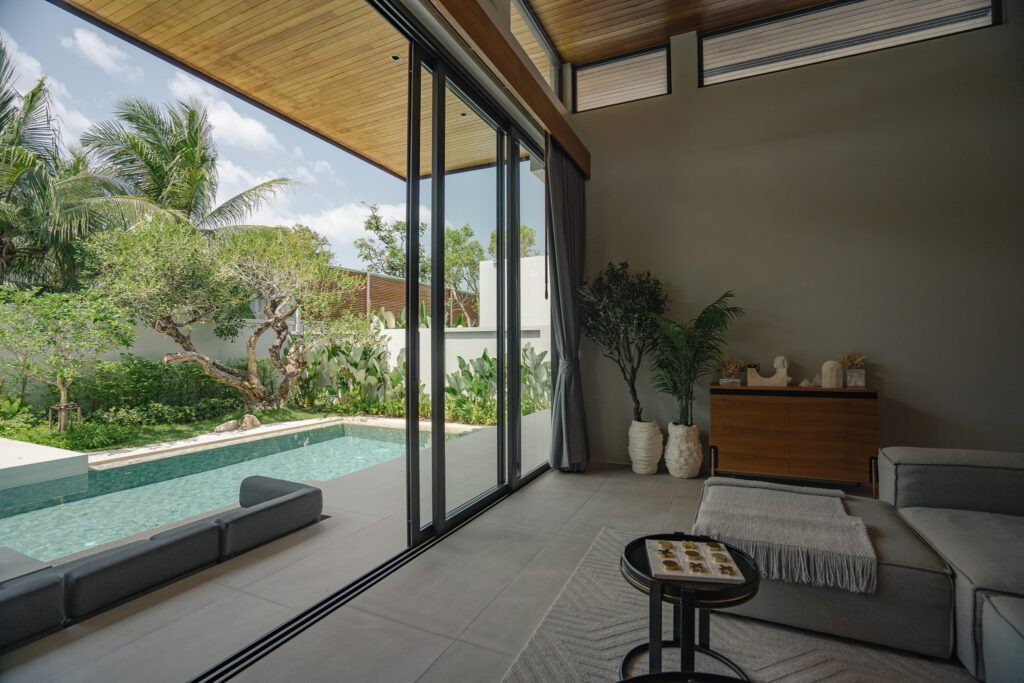
Water features such as ponds, pools, and reflecting basins can also contribute to cooling outdoor environments.
Water absorbs heat during the day and releases it slowly, helping stabilize temperature fluctuations. In combination with surrounding planting, water elements can create a refreshing and relaxing atmosphere within the landscape.
In luxury villa environments, water features also enhance visual quality while improving environmental comfort.
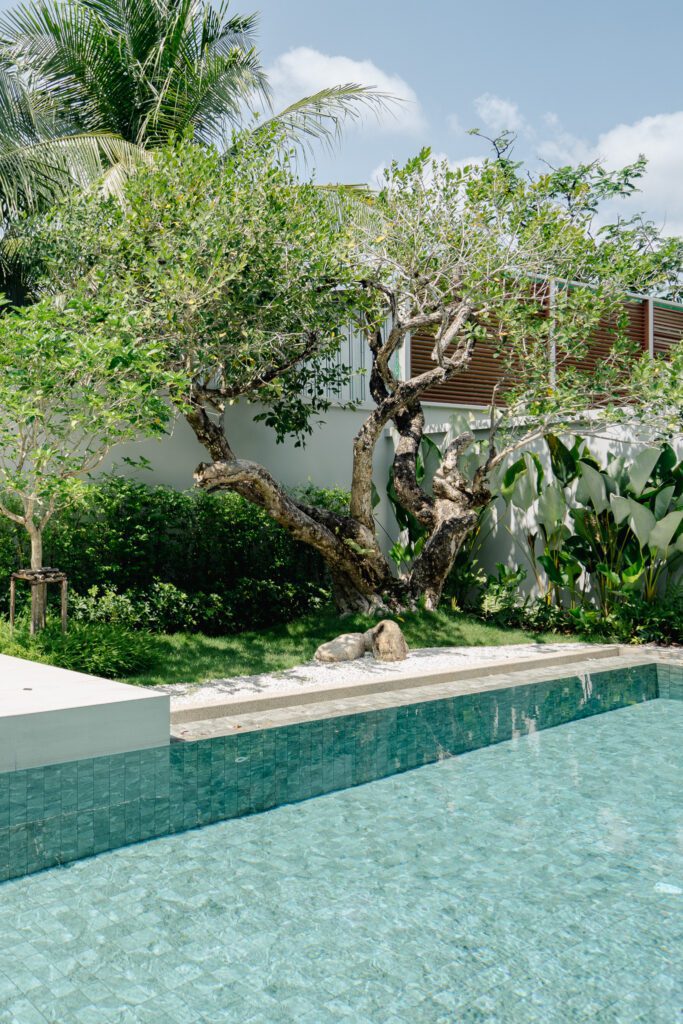
In regions like Phuket, where warm temperatures persist throughout the year, landscape design becomes an essential component of sustainable residential living.
By combining shade trees, planting layers, permeable ground surfaces, and water elements, landscapes can create comfortable outdoor environments while reducing the heat impact on buildings.
These strategies not only improve comfort but may also help reduce reliance on air conditioning and lower energy consumption.
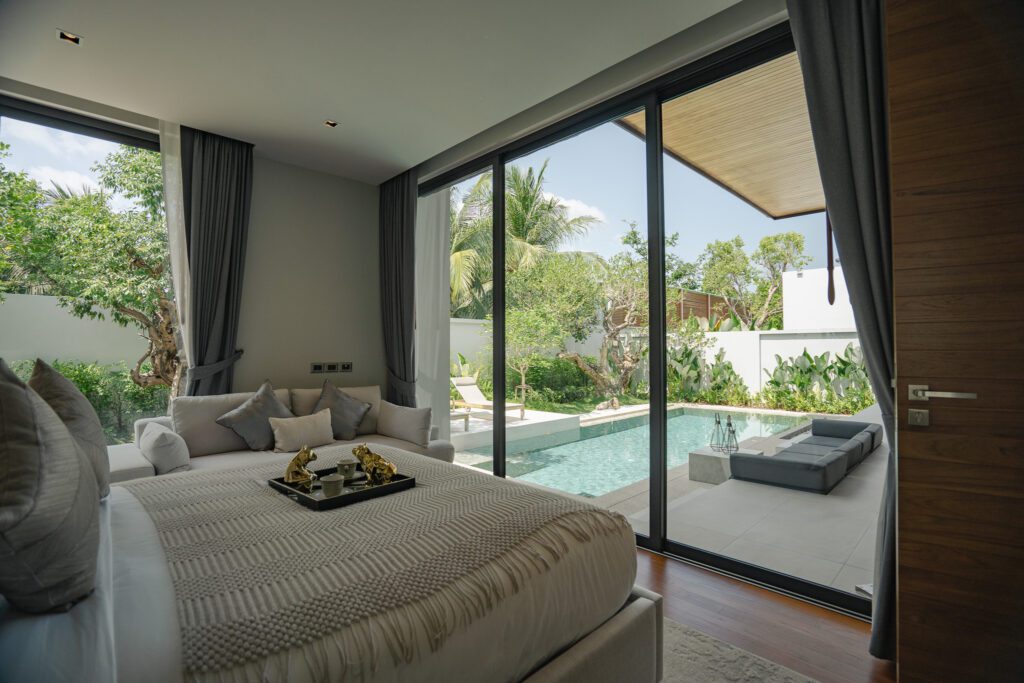
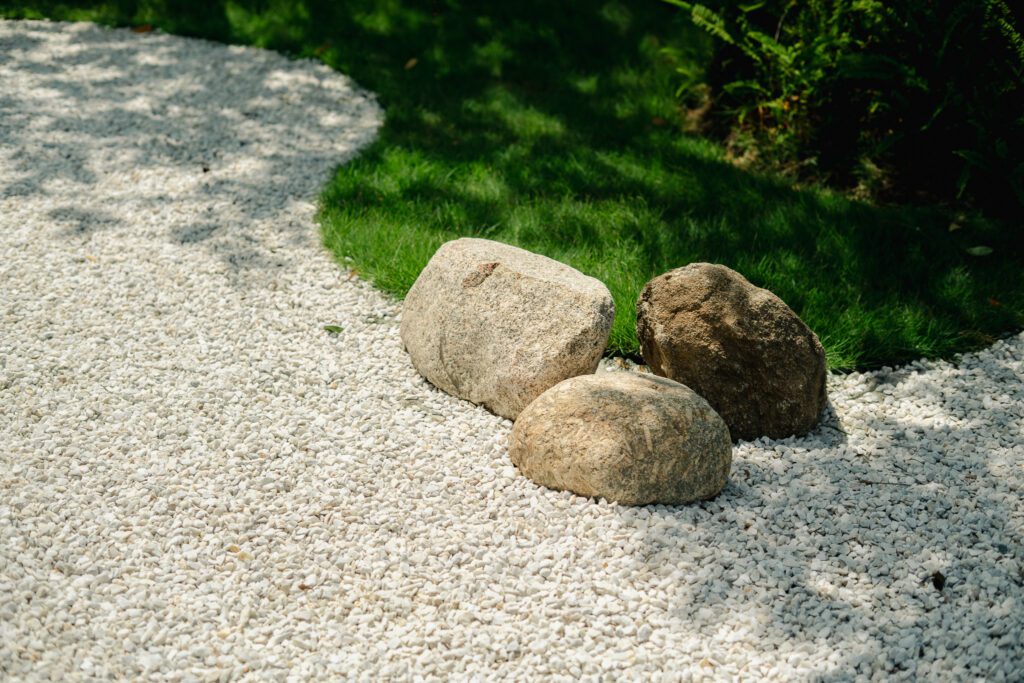
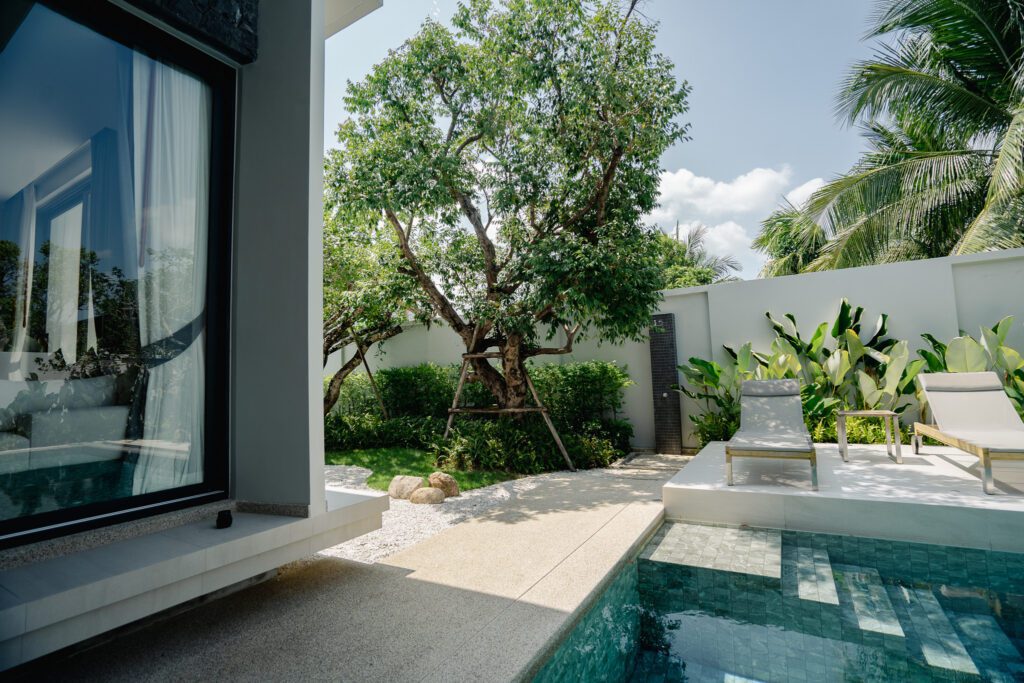
At BOTANICA LANDSCAPE, we approach landscape design as an integrated system that supports both aesthetics and environmental performance.
Our design principles focus on:
Through thoughtful planning and design, we create landscapes that help homes stay cooler, more comfortable, and more connected to nature.
Because a well-designed garden does more than look beautiful — it improves how a home feels to live in.
Learn how landscape design improves microclimate and reduces heat. BOLA applies research-based strategies for tropical living in Phuket.
Microclimate refers to the localized climate conditions
in a specific area—such as around a house or within a garden.
In tropical regions like Phuket,
microclimate design is essential.
Without it, outdoor spaces become too hot,
indoor cooling loads increase,
and overall comfort is reduced.
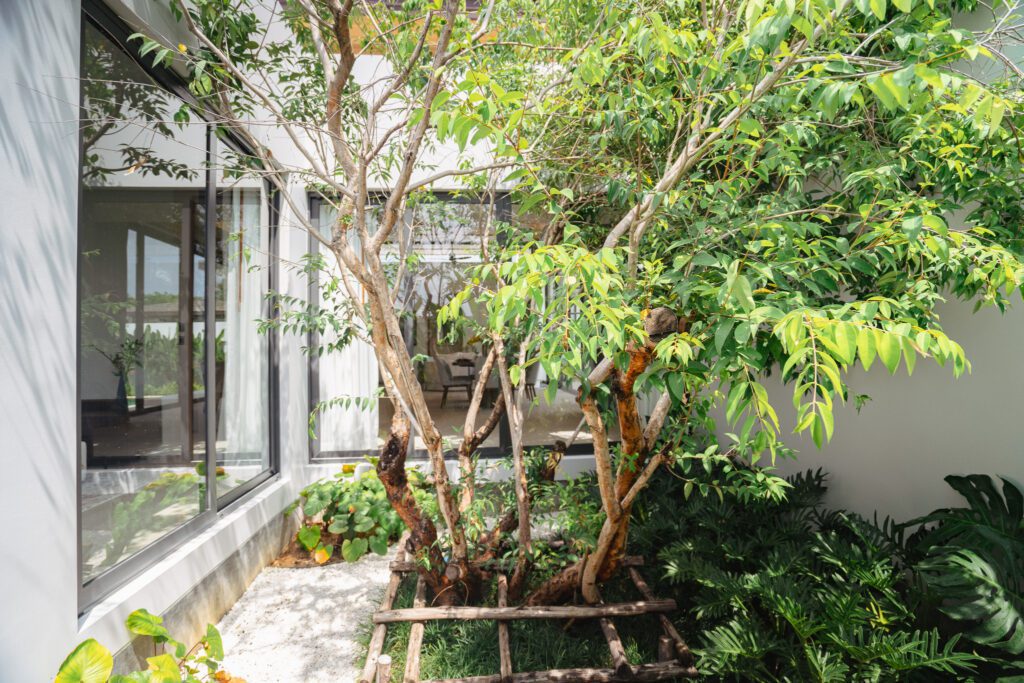
Scientific studies in urban climatology show that:
(Reference: Akbari et al., 2001; Bowler et al., 2010; EPA Urban Heat Island studies)
These effects are not theoretical—
they are measurable and widely documented.
Trees block direct solar radiation,
reducing heat absorption by surfaces.
Strategic placement of trees near walls, roofs,
and outdoor spaces significantly lowers temperature.
Plants release moisture into the air,
which cools the surrounding environment.
This natural process acts like a passive cooling system.
Landscape can guide wind movement.
Proper design enhances heat dissipation.
Hardscape materials affect heat retention.
Material choice is critical in tropical climates.
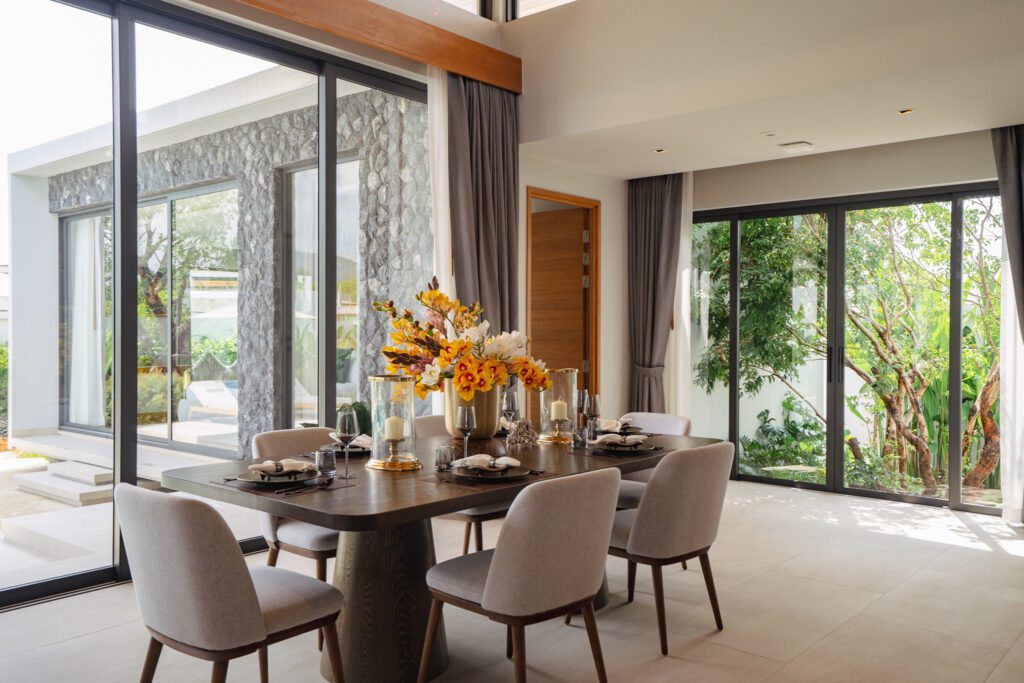
Phuket presents unique challenges:
Effective landscape design must integrate:
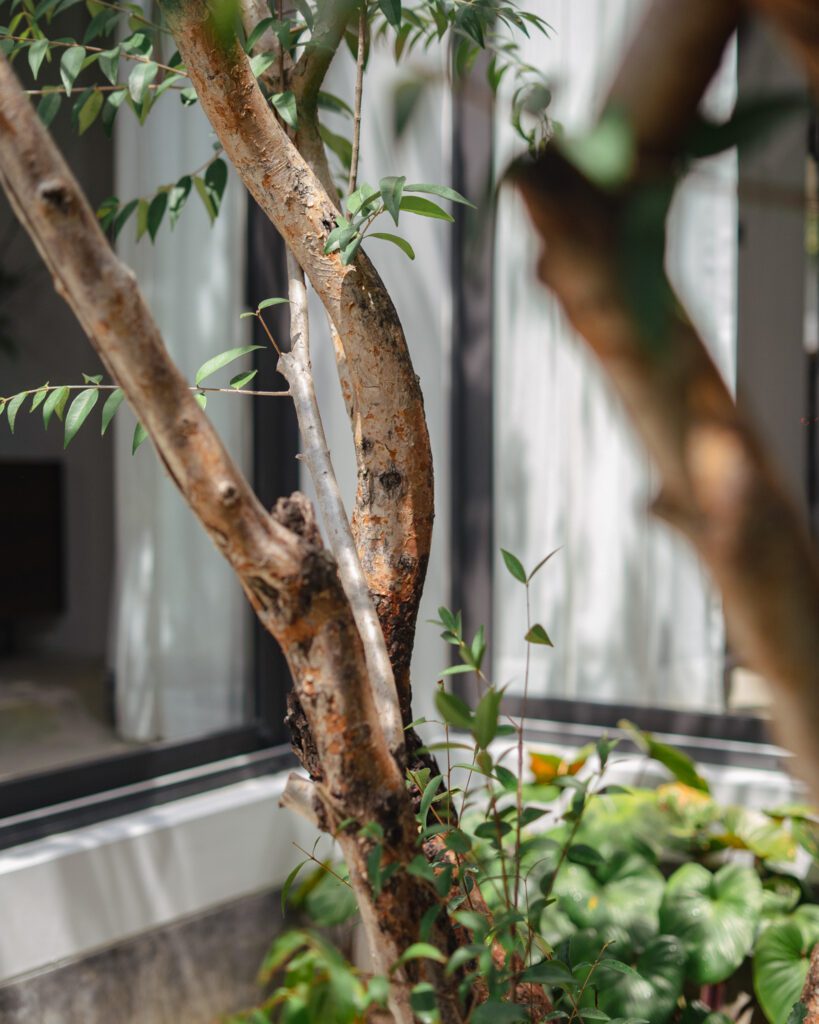
At BOLA – Botanica Landscape,
we treat landscape as a microclimate system.
Our design process includes:
We don’t just place trees—
we position them with purpose.
A well-designed microclimate can:
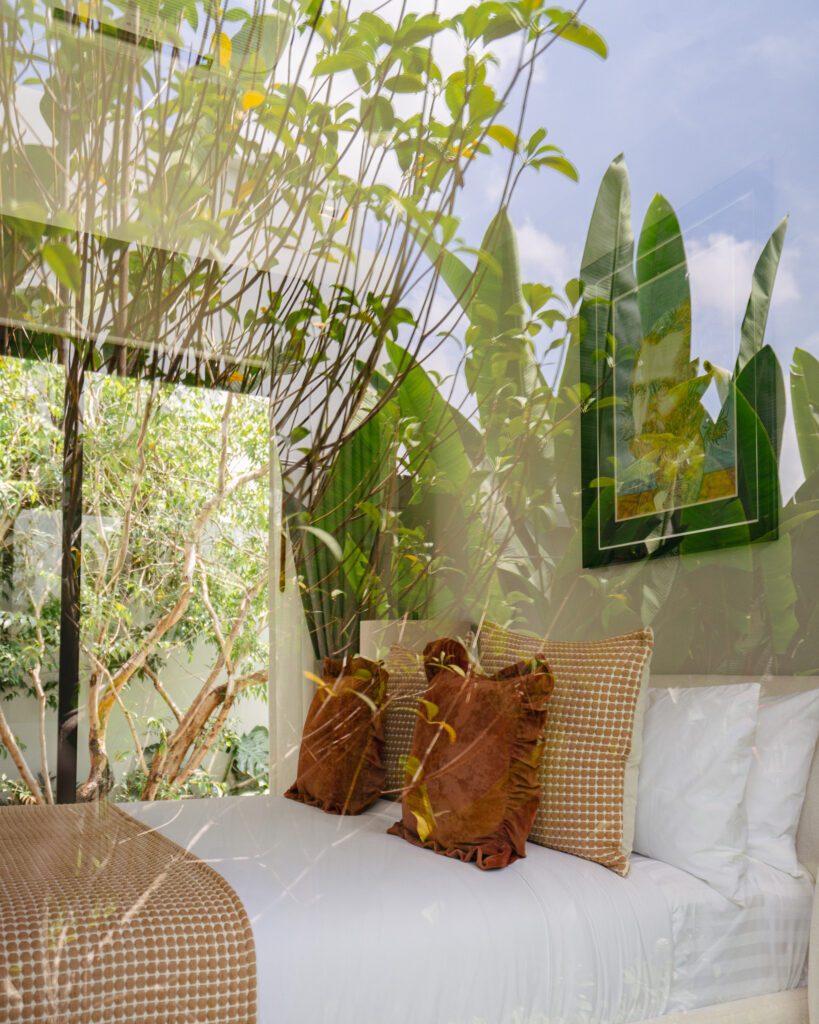
Landscape is not just visual.
It is environmental engineering.
And when done right,
it transforms how a home feels—every day.
At BOLA,
we design landscapes that work with climate—
not against it.
Learn how BOLA transforms landscape concepts into buildable designs through precise design development and construction-ready planning.
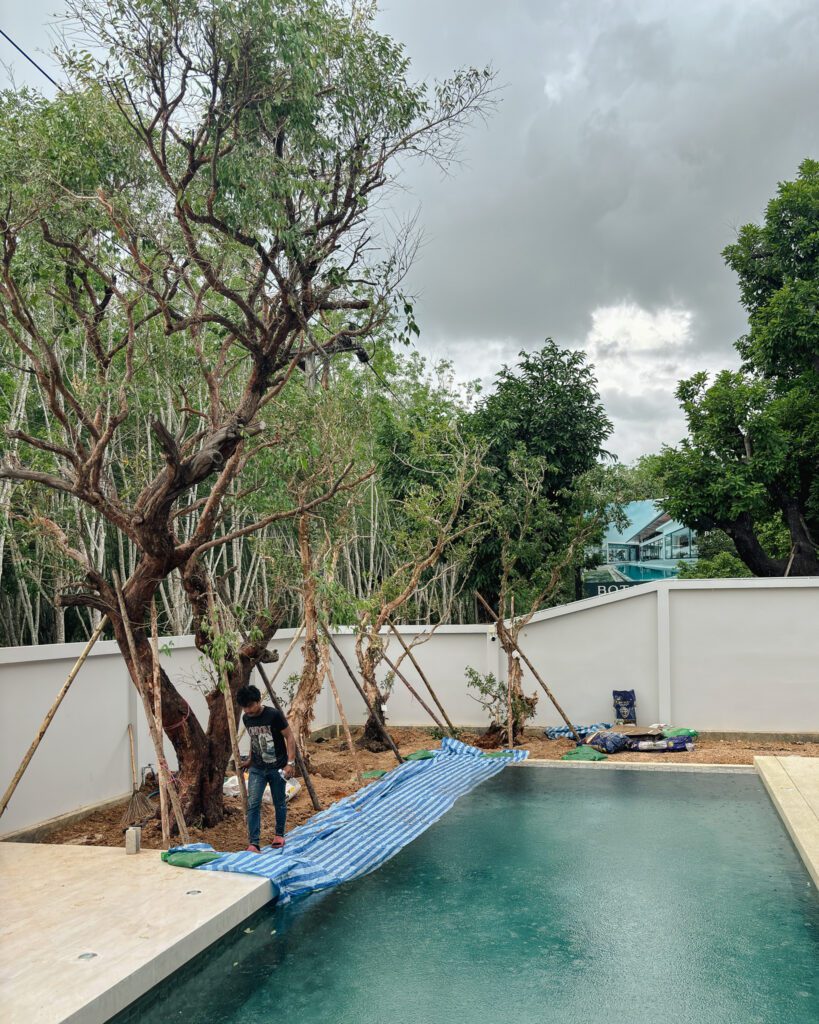
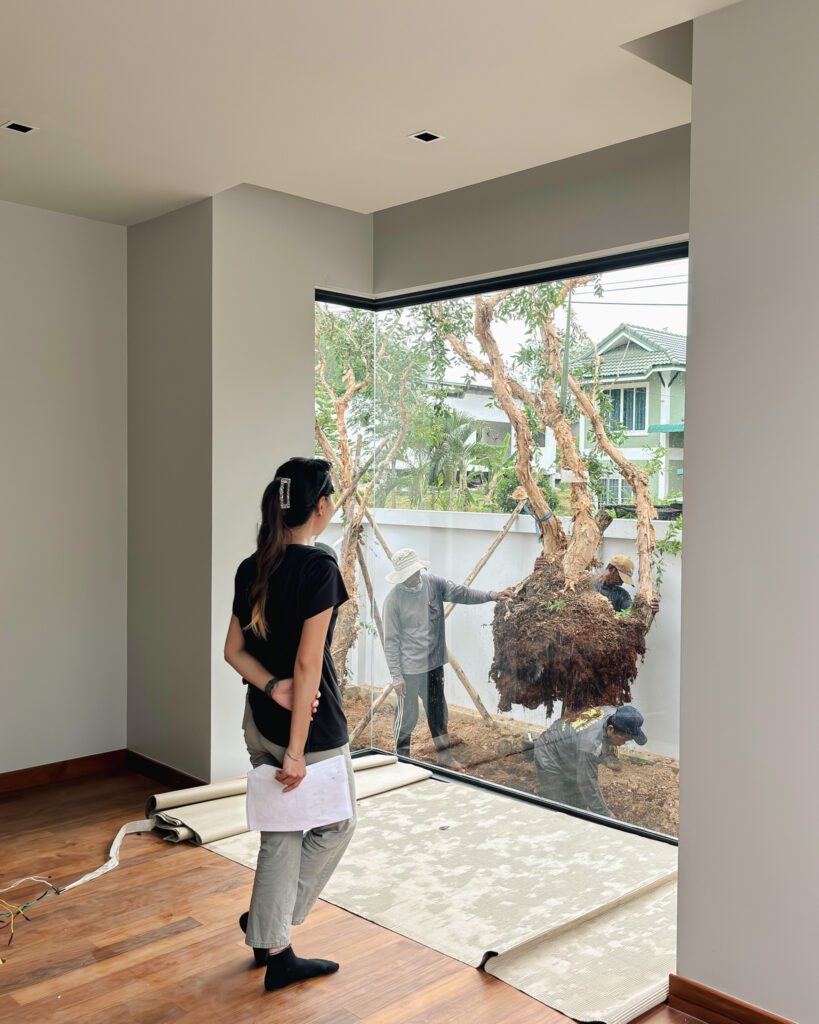
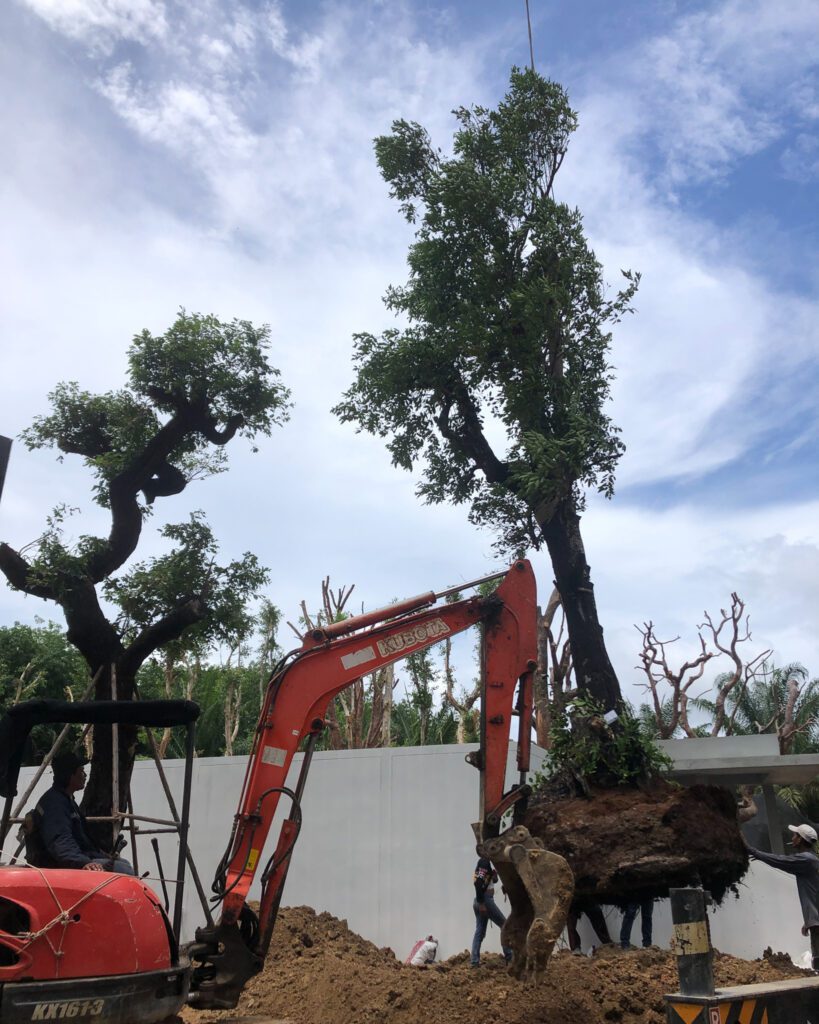
Design development is one of the most critical phases
in landscape architecture.
It is the stage where concepts are translated
into detailed, buildable solutions.
Without it, even the strongest ideas
can fail during construction.
Concept design focuses on vision—
spatial ideas, mood, and overall composition.
Design development takes this further by defining:
This phase bridges creativity and reality.
Many project issues originate
from insufficient design development.
Common consequences include:
A well-developed design prevents these risks.
Aligning landscape levels with architectural and structural systems.
Designing drainage, irrigation, and utilities together.
Specifying materials that are both aesthetic and durable.
Ensuring that every element can be built efficiently.
Design development produces:
These documents guide the construction team
and reduce ambiguity.
In Phuket, design development must address:
Ignoring these leads to rapid deterioration.

At BOLA – Botanica Landscape,
we treat design development as a technical discipline.
We integrate:
We don’t leave decisions for the site—
we resolve them in the design phase.
Strong design development results in:
A design is only as good as its ability to be built.
At BOLA,
we ensure every idea
can perform in reality.
Design development is where vision becomes structure,
and creativity becomes precision.
Discover how landscape architecture improves mental health. Research shows that green spaces reduce stress, improve mood, and enhance quality of life.
In modern urban environments, mental health has become an increasingly important topic. Rapid urbanization, busy lifestyles, and reduced contact with nature can contribute to higher stress levels and decreased psychological well-being.
Landscape architecture plays a crucial role in addressing this challenge by designing environments that reconnect people with nature. Gardens, parks, and thoughtfully designed outdoor spaces provide opportunities for relaxation, reflection, and restoration.
Scientific research increasingly supports the idea that exposure to natural environments has measurable benefits for mental health.
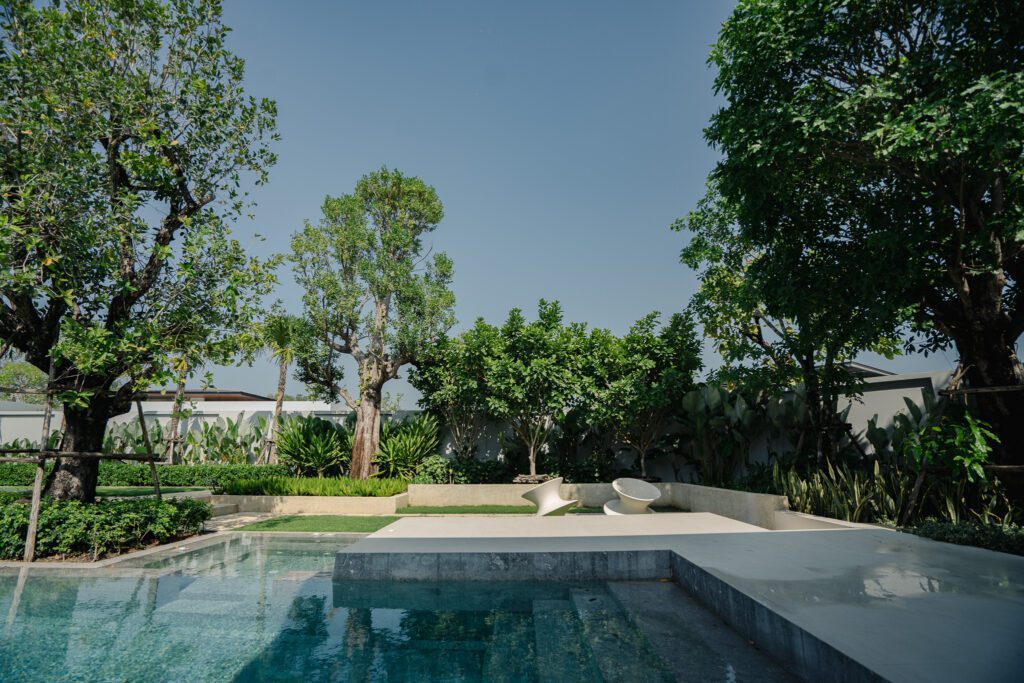
Natural environments provide a sensory experience that can help reduce stress and improve mood.
Elements such as greenery, natural textures, water features, and open spaces can influence how people feel within an environment. These elements create spaces where individuals can slow down, relax, and mentally recover from daily stress.
Research in environmental psychology suggests that spending time in green environments can:
Landscape architecture therefore plays an important role in shaping healthier environments for communities and residential developments.
A study conducted by researchers at Stanford University found that participants who walked in natural environments showed decreased activity in the brain region associated with rumination — a pattern of repetitive negative thinking linked to depression.
Participants who walked in urban environments did not experience the same psychological benefits.
Source:
Bratman, G. N., et al. (2015). _Nature experience reduces rumination and subgenual prefrontal cortex activation._Proceedings of the National Academy of Sciences.
Research from the University of Exeter Medical School analyzed data from over 20,000 people and found that individuals who spent at least two hours per week in natural environments reported significantly better health and well-being.
The study suggests that regular exposure to green spaces can contribute to improved mental health outcomes.
Source:
White, M. P., et al. (2019). Spending at least 120 minutes a week in nature is associated with good health and wellbeing.Scientific Reports.
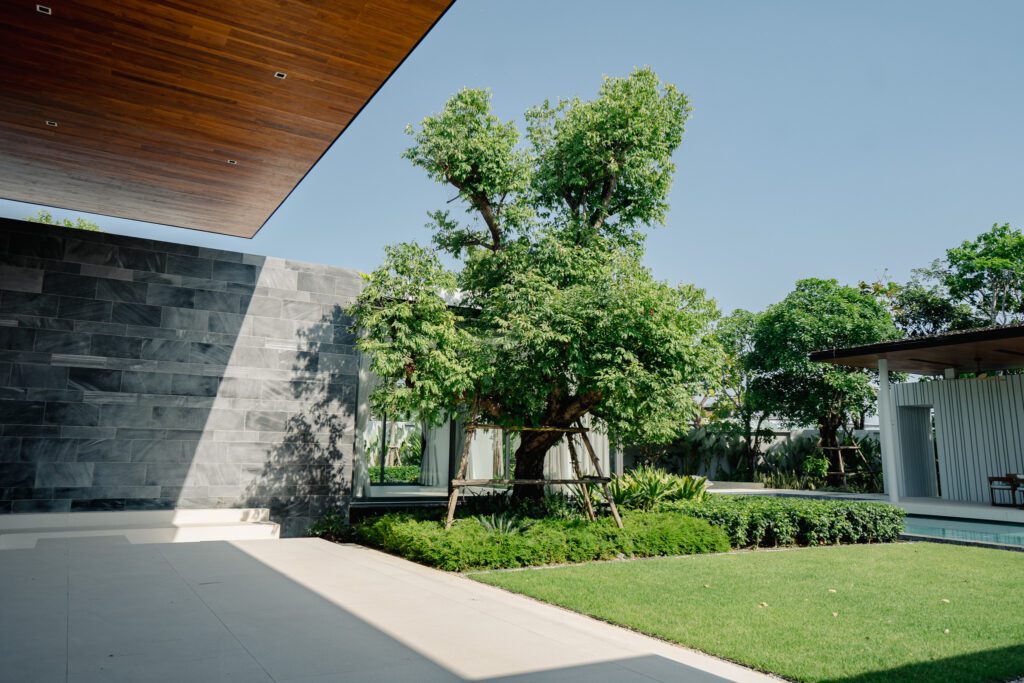
Landscape architects design spaces that intentionally incorporate natural elements to promote psychological comfort and relaxation.
Key design strategies include:
Providing views of greenery from living spaces helps create a calming visual environment.
Walkable gardens and pathways encourage people to spend time outdoors.
The sound and visual movement of water can promote relaxation and reduce stress.
Diverse plant compositions create natural environments that stimulate the senses.
When these elements are integrated into residential developments, they help create environments that support mental well-being.
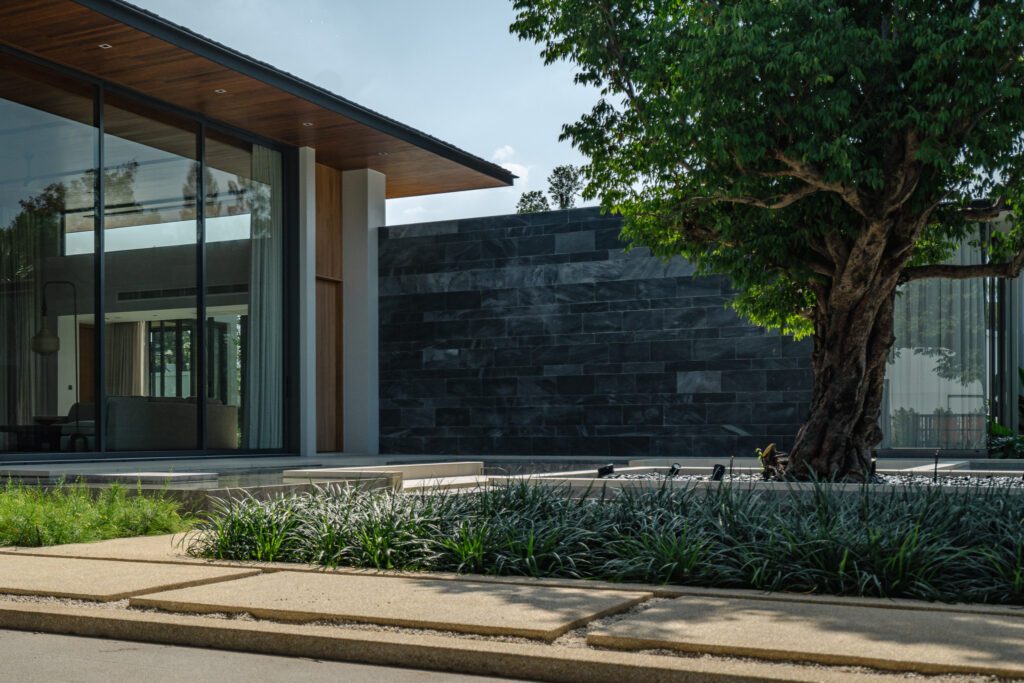
For residential environments such as luxury villas, landscape design plays an important role in shaping everyday life.
Private gardens, shaded outdoor spaces, and natural planting environments allow residents to reconnect with nature within their own homes.
These environments provide opportunities for:
In tropical regions like Phuket, outdoor environments are especially important as they allow residents to experience nature throughout the year.
At BOTANICA LANDSCAPE, we believe landscape architecture should support both environmental sustainability and human well-being.
Our design approach focuses on creating landscapes that:
By designing thoughtful landscape environments, we aim to create spaces that not only look beautiful but also contribute positively to the lives of the people who live within them.
Because a well-designed landscape does more than shape the land — it nurtures the human experience.
Learn why landscape design should begin at the master planning stage. BOLA shares insights for better construction, cost control, and project performance.
In many development projects,
landscape is treated as a finishing layer.
But this approach often leads to inefficiencies,
design conflicts, and costly delays.
In reality, landscape is not the final step—
it is a foundational system that should begin at the master planning stage.
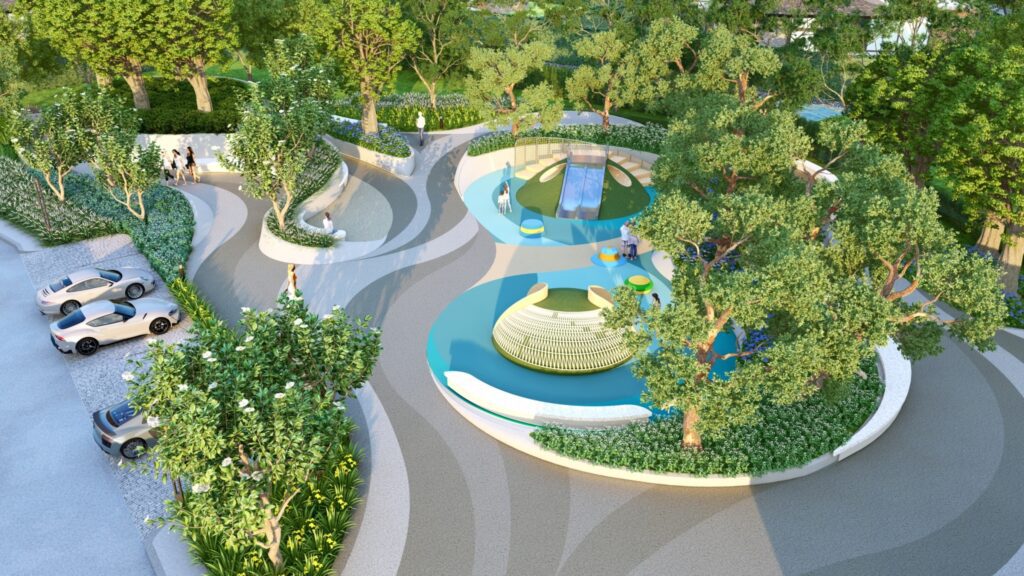
One of the most common misconceptions
is that landscape is purely aesthetic.
In reality, landscape design directly affects:
When considered too late,
these systems cannot be properly integrated.
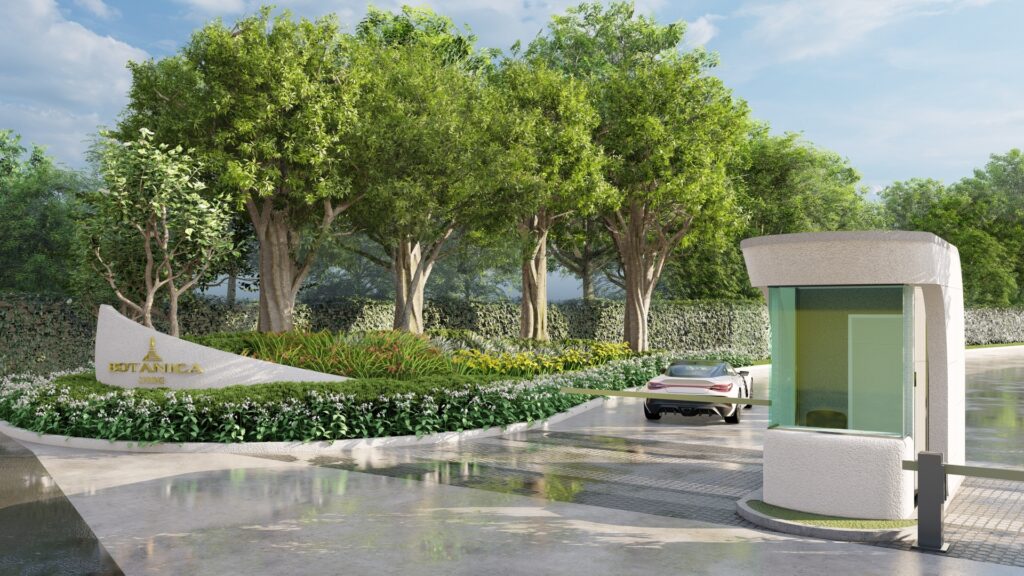
Landscape defines how land is shaped.
If levels are not coordinated early:
Early planning ensures alignment between
architecture, structure, and landscape.
In tropical regions like Phuket,
drainage is critical.
Without early integration:
Landscape plays a key role
in managing water flow across the entire site.
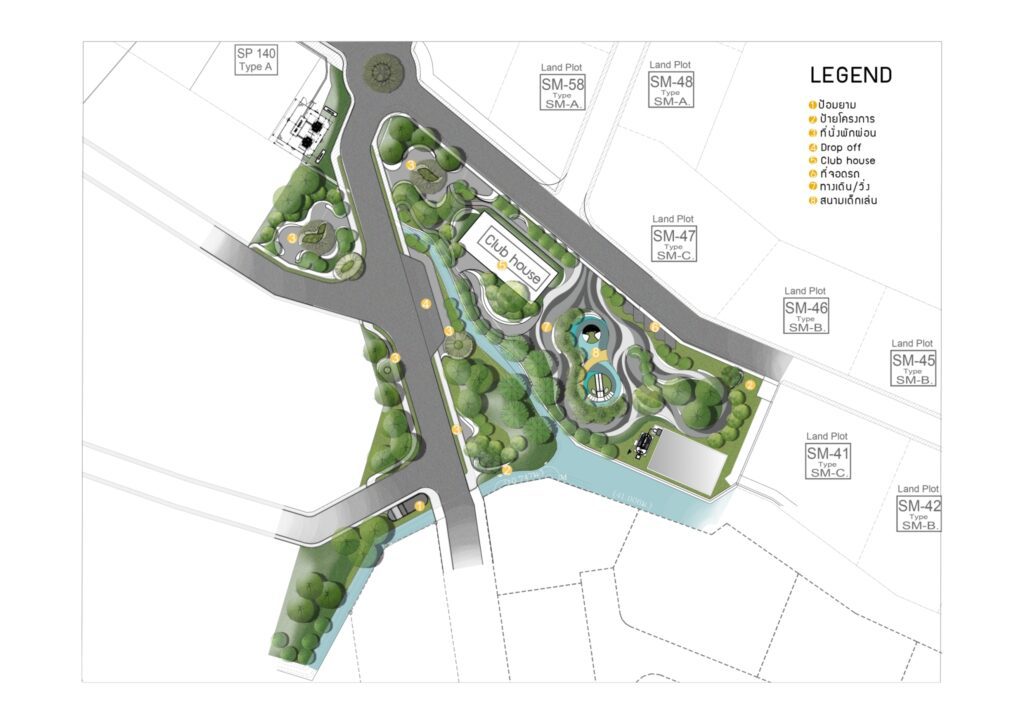
Movement through a project
is largely shaped by landscape design.
If these are not planned early,
the user experience becomes fragmented.
Landscape is essential for:
These strategies must be embedded
into the masterplan—not added later.
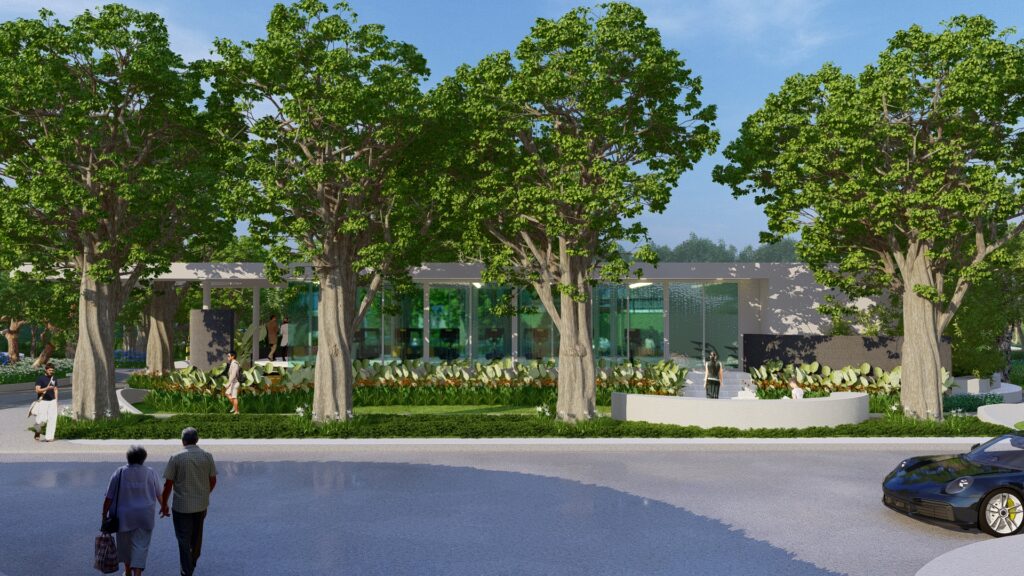
Late-stage landscape design often leads to:
Early integration reduces risk
and improves efficiency.
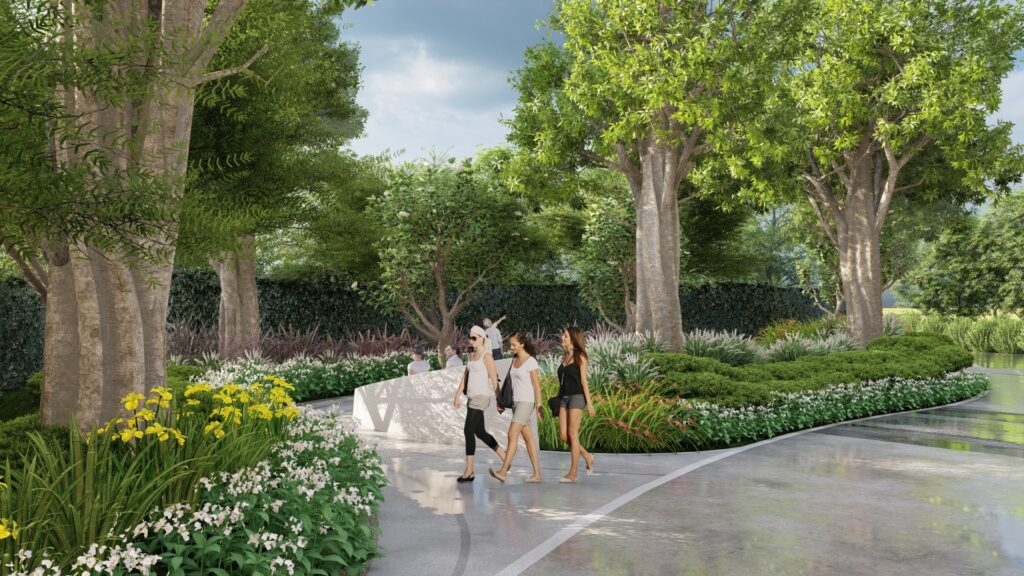
At BOLA – Botanica Landscape,
we integrate landscape from day one.
We collaborate with architects and developers
at the master planning stage to ensure:
We don’t adapt landscape to the project—
we build the project with landscape.
Projects that start with integrated planning
perform better—both in construction and long-term use.
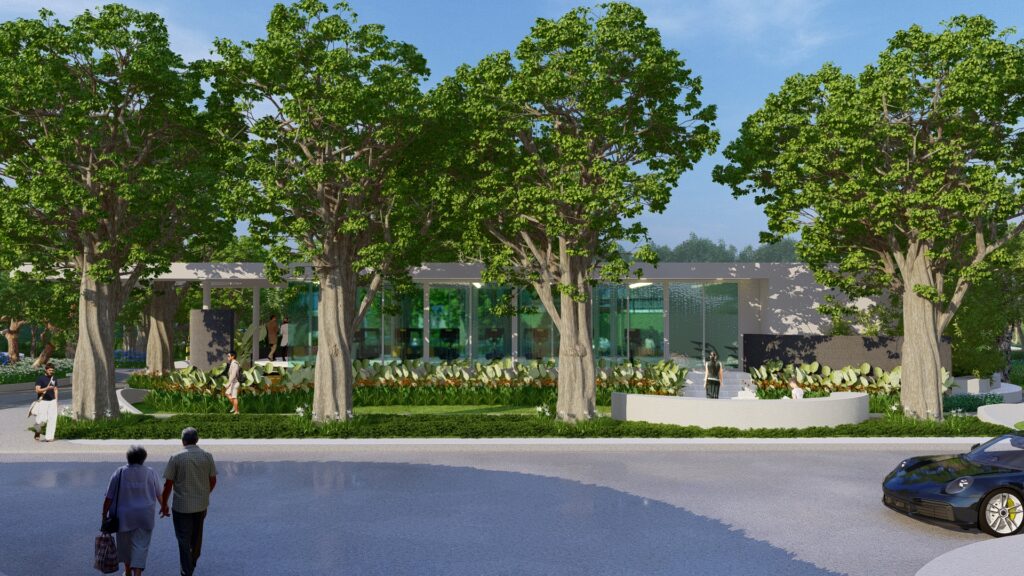
Landscape is not the final layer.
It is the framework that connects everything.
And when it starts at the masterplan,
the entire project benefits.
Discover how landscape architecture enhances well-being, comfort, and lifestyle for luxury homes in Phuket.
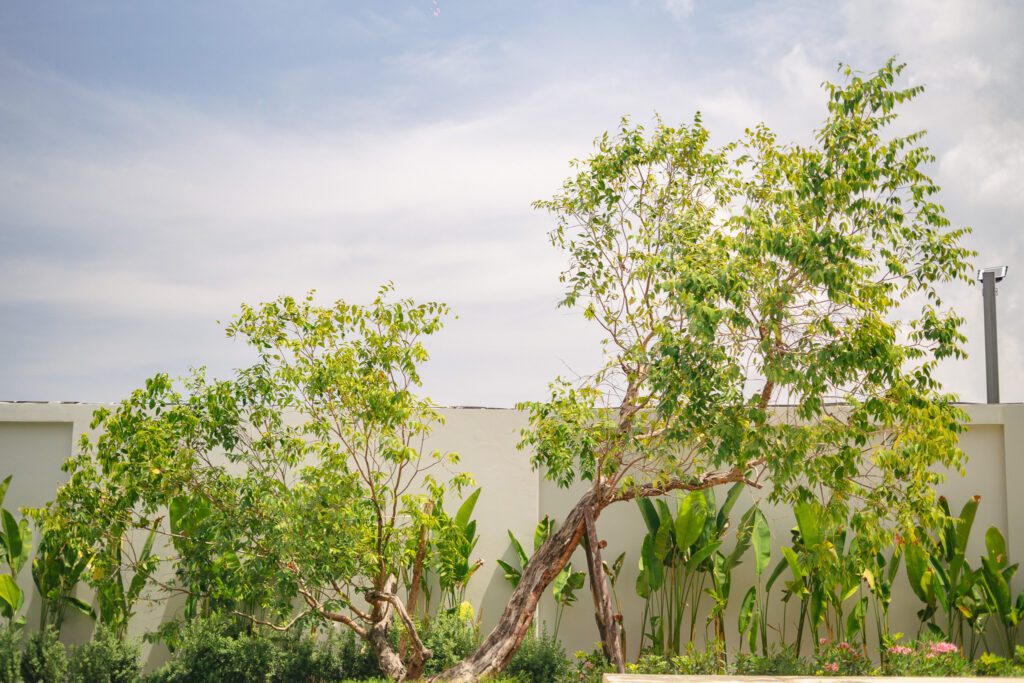
Luxury living is no longer defined only by interior finishes or square meters. Increasingly, quality of life is shaped by the outdoor environment surrounding the home.
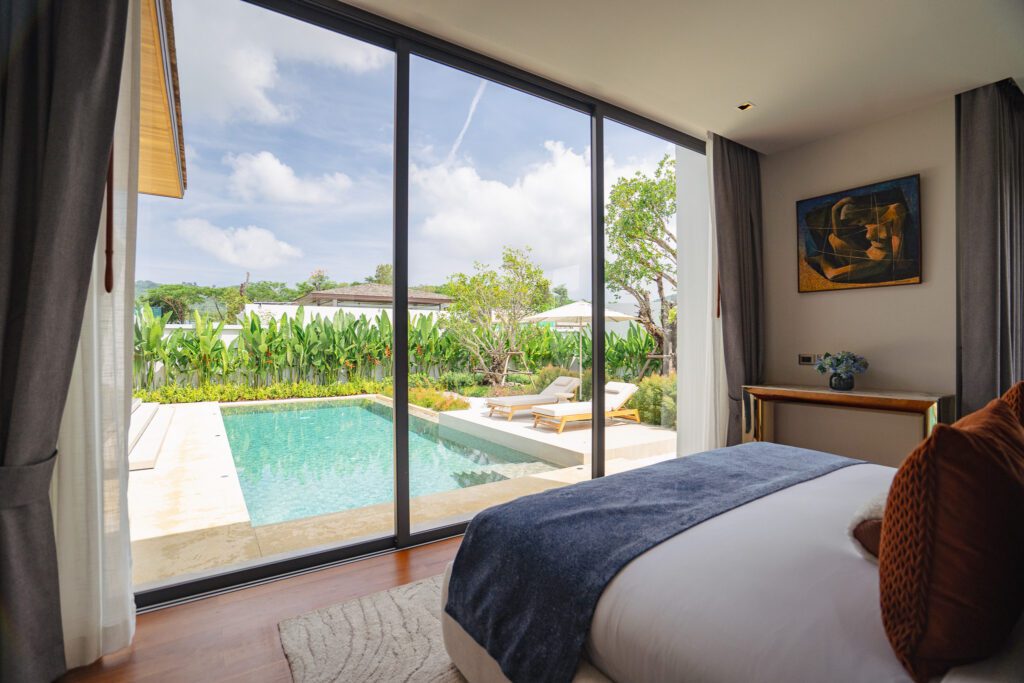
Outdoor lounges, shaded terraces, poolside seating, and green pathways extend the usable living space and make homes feel more generous.For villas in Phuket, where climate encourages outdoor living year-round, landscape becomes a core part of wellness and lifestyle.BOTANICA LANDSCAPE designs environments that enrich everyday living through beauty, comfort, and connection to nature.
Ready to elevate daily living?
Create a meaningful outdoor lifestyle with BOTANICA LANDSCAPE.
Discover how professional landscape architecture increases property value, enhances lifestyle, and creates distinctive real estate developments in Phuket.
Read MoreHow Landscape Architecture Adds Value to Real Estate
In modern living environments, landscape architecture plays a crucial role in shaping how people experience space. A well-designed landscape is not only visually appealing, but also contributes to comfort, safety, emotional well-being, and the overall quality of life.
In tropical destinations like Phuket, outdoor environments are a natural extension of the home. Gardens, courtyards, pathways, and water elements become everyday spaces where people relax, socialize, and reconnect with nature.
At BOTANICA LANDSCAPE, our philosophy goes beyond aesthetics. We believe landscape architecture should create meaningful relationships between people, architecture, and the natural environment.
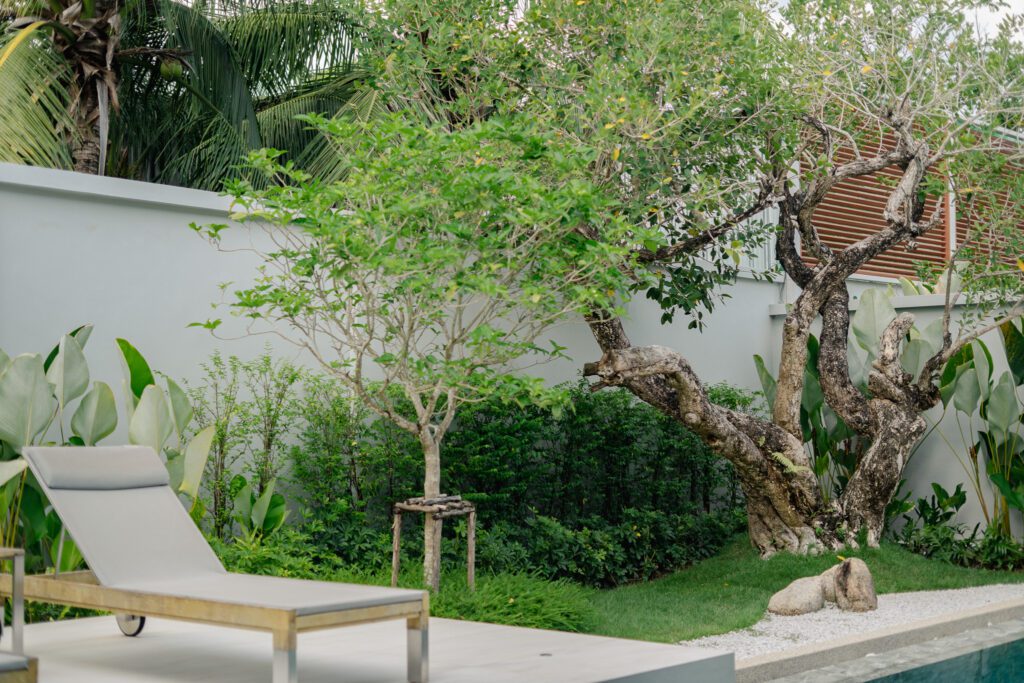
Designing for Happiness and Well-Being
Thoughtful spatial design has a direct impact on human well-being. Research in environmental psychology has shown that natural environments help reduce stress, improve mood, and enhance overall mental health.
Landscape architecture creates opportunities for these benefits through elements such as:
When these elements are carefully integrated into a project, they transform outdoor spaces into environments that nurture both physical and emotional well-being.
A landscape is not simply a visual frame for architecture; it becomes part of everyday life.
Designing Spaces that Add Long-Term Value
Well-designed landscapes contribute significantly to property value and the overall identity of residential developments, luxury villas, and hospitality environments.
Beyond visual appeal, a strong landscape concept creates:
For luxury villa developments in Phuket, landscape architecture becomes a defining element that shapes the character of the entire property.
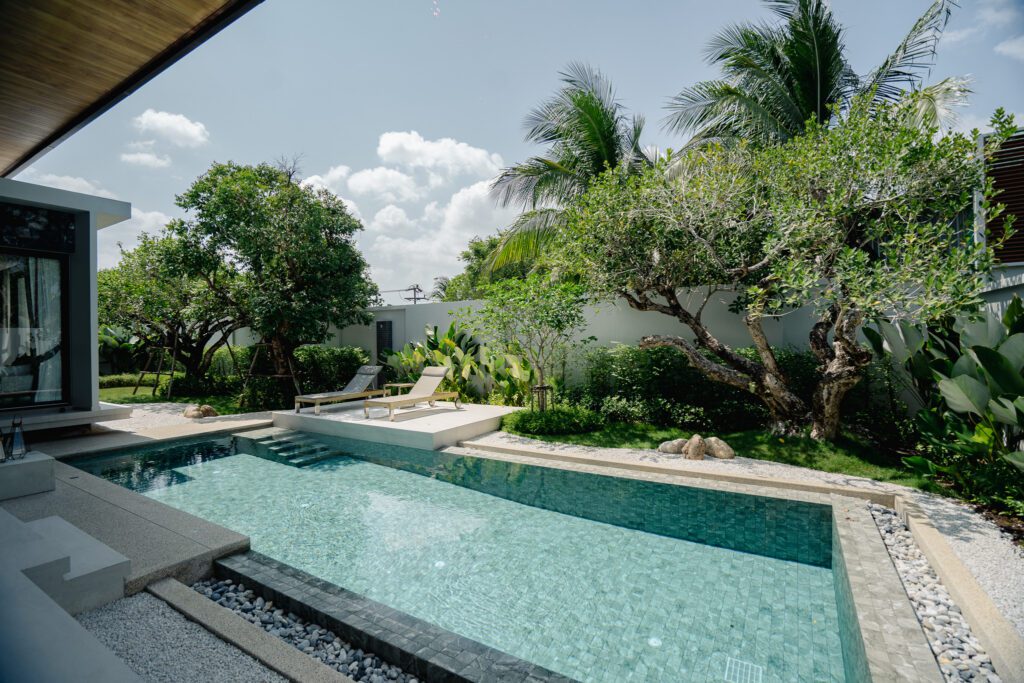
The Philosophy of BOLA
At BOLA, we believe landscape architecture has the power to connect people with nature and elevate the quality of everyday living.
Our work focuses on creating environments that are:
By carefully designing and developing landscapes that respect both people and nature, we aim to create spaces that hold lasting value — not only for the residents who experience them, but also for the surrounding community and the environment.
Because great landscape architecture does not simply shape land.
It shapes the way people live.