

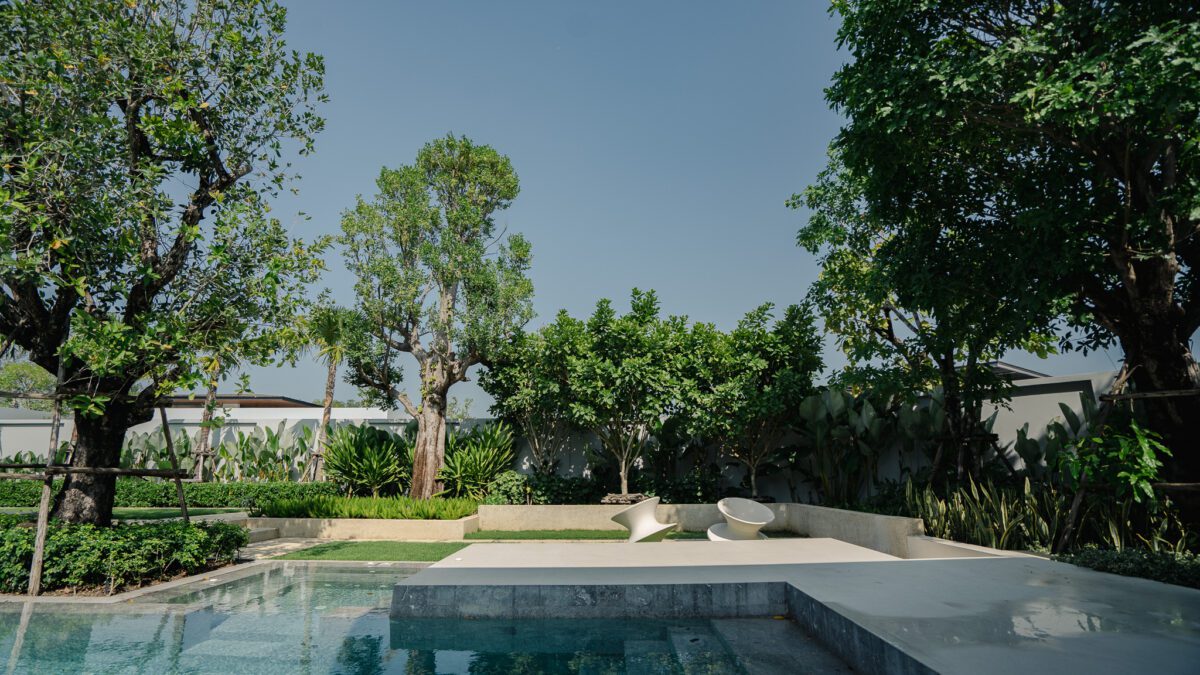
Landscape Architecture and Mental Health | How Green Spaces Improve Well-Being
Discover how landscape architecture improves mental health. Research shows that green spaces reduce stress, improve mood, and enhance quality of life.
Landscape Architecture and Mental Health: How Green Spaces Improve Well-Being
Introduction
In modern urban environments, mental health has become an increasingly important topic. Rapid urbanization, busy lifestyles, and reduced contact with nature can contribute to higher stress levels and decreased psychological well-being.
Landscape architecture plays a crucial role in addressing this challenge by designing environments that reconnect people with nature. Gardens, parks, and thoughtfully designed outdoor spaces provide opportunities for relaxation, reflection, and restoration.
Scientific research increasingly supports the idea that exposure to natural environments has measurable benefits for mental health.
The Psychological Benefits of Green Spaces
Natural environments provide a sensory experience that can help reduce stress and improve mood.
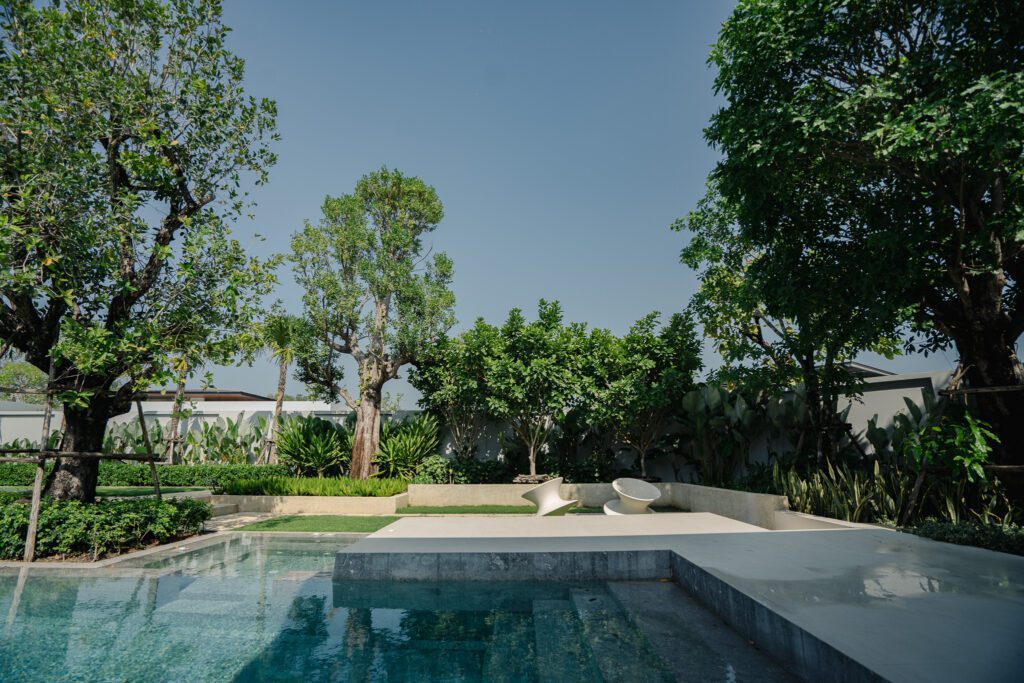
Elements such as greenery, natural textures, water features, and open spaces can influence how people feel within an environment. These elements create spaces where individuals can slow down, relax, and mentally recover from daily stress.
Research in environmental psychology suggests that spending time in green environments can:
- Reduce stress and anxiety
- Improve mood and emotional well-being
- Enhance concentration and cognitive function
- Support overall life satisfaction
Landscape architecture therefore plays an important role in shaping healthier environments for communities and residential developments.
Research Supporting the Impact of Nature on Mental Health
Stanford University Study (2015)
A study conducted by researchers at Stanford University found that participants who walked in natural environments showed decreased activity in the brain region associated with rumination — a pattern of repetitive negative thinking linked to depression.
Participants who walked in urban environments did not experience the same psychological benefits.
Source:
Bratman, G. N., et al. (2015). _Nature experience reduces rumination and subgenual prefrontal cortex activation._Proceedings of the National Academy of Sciences.
University of Exeter Study (2019)
Research from the University of Exeter Medical School analyzed data from over 20,000 people and found that individuals who spent at least two hours per week in natural environments reported significantly better health and well-being.
The study suggests that regular exposure to green spaces can contribute to improved mental health outcomes.
Source:
White, M. P., et al. (2019). Spending at least 120 minutes a week in nature is associated with good health and wellbeing.Scientific Reports.
Landscape Architecture as a Tool for Well-Being
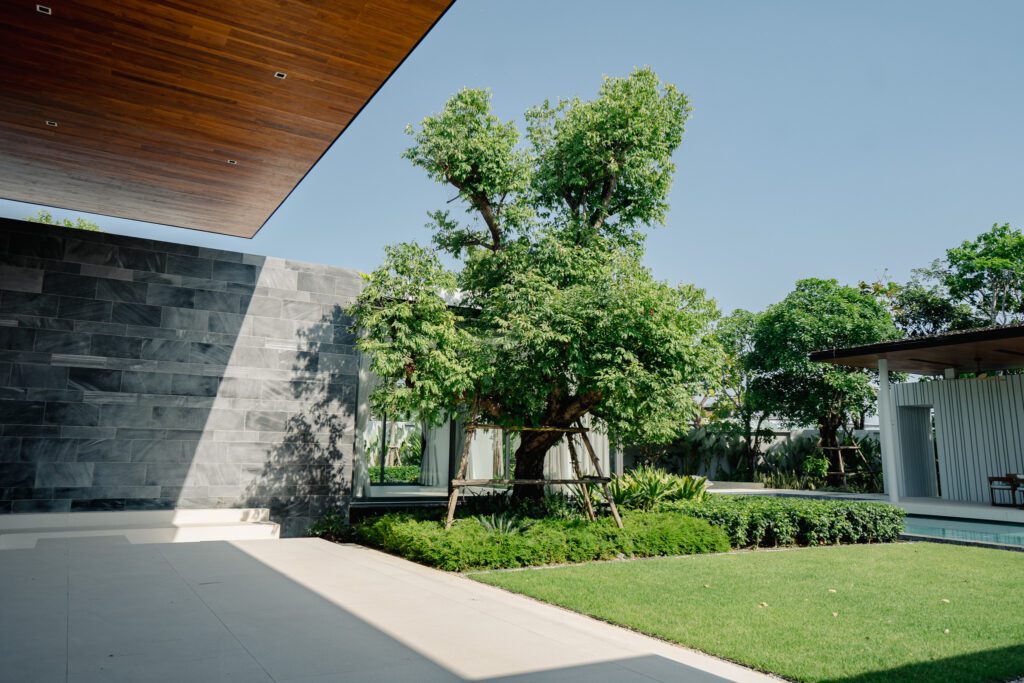
Landscape architects design spaces that intentionally incorporate natural elements to promote psychological comfort and relaxation.
Key design strategies include:
Green Visibility
Providing views of greenery from living spaces helps create a calming visual environment.
Accessible Outdoor Spaces
Walkable gardens and pathways encourage people to spend time outdoors.
Water Features
The sound and visual movement of water can promote relaxation and reduce stress.
Layered Planting
Diverse plant compositions create natural environments that stimulate the senses.
When these elements are integrated into residential developments, they help create environments that support mental well-being.
Mental Health and Residential Landscape Design
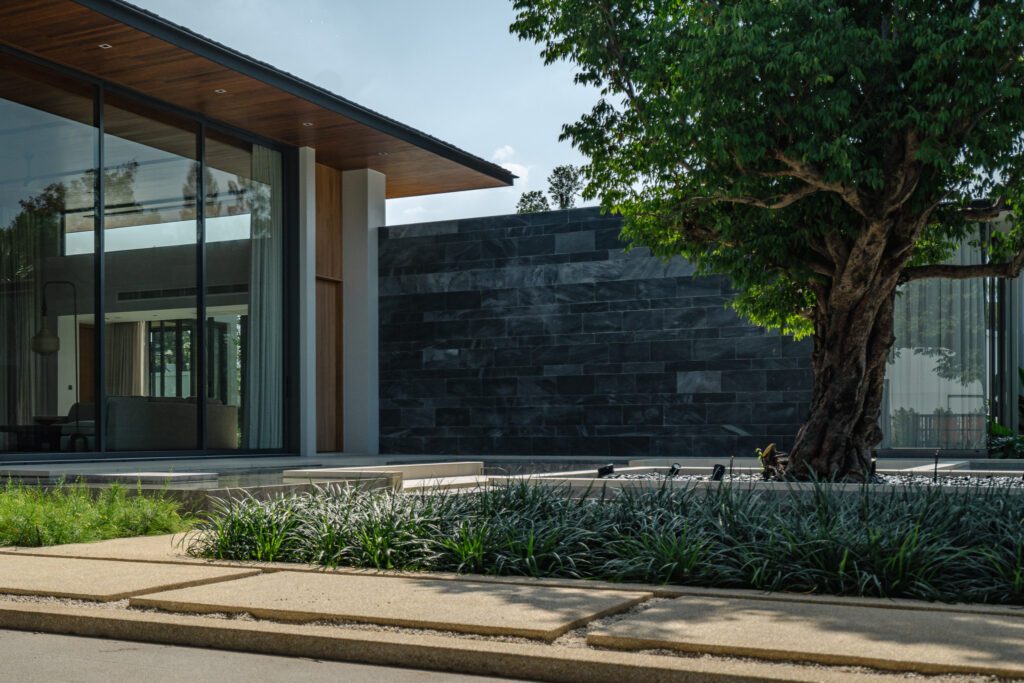
For residential environments such as luxury villas, landscape design plays an important role in shaping everyday life.
Private gardens, shaded outdoor spaces, and natural planting environments allow residents to reconnect with nature within their own homes.
These environments provide opportunities for:
- Relaxation and reflection
- Social interaction
- Outdoor exercise
- Emotional restoration
In tropical regions like Phuket, outdoor environments are especially important as they allow residents to experience nature throughout the year.
BOTANICA LANDSCAPE Design Philosophy
At BOTANICA LANDSCAPE, we believe landscape architecture should support both environmental sustainability and human well-being.
Our design approach focuses on creating landscapes that:
- Encourage connection with nature
- Provide calming outdoor environments
- Improve everyday living experiences
- Enhance both physical and mental well-being
By designing thoughtful landscape environments, we aim to create spaces that not only look beautiful but also contribute positively to the lives of the people who live within them.
Because a well-designed landscape does more than shape the land — it nurtures the human experience.